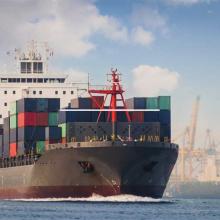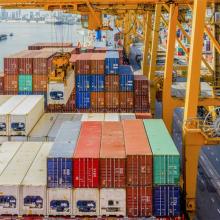
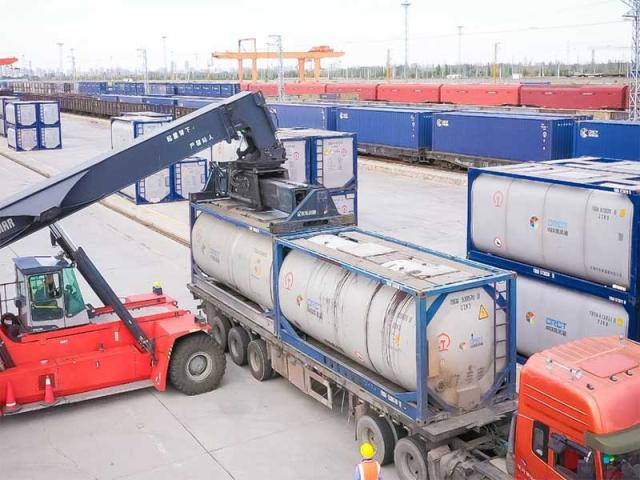
An ISO tank is a specialized container featuring a stainless steel tank mounted within a standard container frame, designed specifically for the safe transportation of liquid and gas cargo.
1. Basic ISO Tank Specifications
| Parameter | Standard 20ft Tank | Extended Tank | Gas Tank |
| Capacity | 21,000–26,000 L | 26,000–30,000 L | 15,000–20,000 L |
| Max Payload | 26,000–36,000 kg | 24,000–30,000 kg | 20,000–25,000 kg |
| Tank Material | 316L Stainless Steel | 316L Stainless Steel | Specialty Steel |
| Tank Thickness | 4–6 mm | 4–6 mm | 8–12 mm |
| Design Pressure | 4–10 bar | 4–6 bar | 10–25 bar |
| External Dimensions | 6,058 × 2,438 × 2,591 mm | 12,192 × 2,438 × 2,591 mm | 6,058 × 2,438 × 2,591 mm |
| Tare Weight | 3,500–5,000 kg | 5,000–6,500 kg | 5,000–7,000 kg |
| Insulation Layer | Optional (50–100 mm polyurethane) | Optional | Usually included |
Data Source: ISO 1496-3 tank container standards + parameter sheets from major tank leasing companies (Exsif/Stolt/Seaco).
2. Suitable Cargo Types
2.1 Liquid Cargo Classification
| Cargo Category | Specific Goods | Tank Requirements | Cleaning Requirements |
| Chemicals | Alcohols, ketones, acids, alkalis | 316L stainless steel | Strict (deep cleaning required between different chemicals) |
| Food-Grade Liquids | Edible oils, fruit juices, syrups, alcohol | Food-grade 316L + polished interior | Extremely high (food-grade CIP cleaning) |
| Petroleum Products | Lubricants, base oils, additives | Standard stainless steel | Moderate |
| Liquefied Gases | Propane, butane, ammonia | High-pressure tank (10–25 bar) | Professional gas cleaning |
| Dangerous Liquids | Flammable liquids, corrosives | IMDG certification + hazard labels required | According to dangerous goods cleaning procedures |
2.2 Liquids Unsuitable for Tank Containers
| Liquid Type | Reason | Alternative Solution |
| High-viscosity liquids >10,000 cP | Difficult to discharge | Heated tank or drum packaging |
| Strong corrosives >98% sulfuric acid | Corrodes stainless steel | Specialized lined tank or drum packaging |
| Liquids with a pour point >40°C | Solidifies at ambient temperature | Insulated tank or heated container |
| Highly volatile and extremely toxic substances | High safety risk | Dedicated specialty tank |
3. Tank Structure and Safety Devices
ISO Tank Structural Diagram (Cross-Section):
┌────────────────────────────────────────┐
│          ↕ Frame (Standard Container Frame)   │
│   ┌────────────────────────────┐       │
│   │   ↕ Tank (316L Stainless Steel)     │       │
│   │   ○ Top Manlid (Loading/Inspection Port) │       │
│   │   ○ Safety Valve (Pressure Protection)   │       │
│   │   ○ Vacuum Valve (Negative Pressure Protection) │       │
│   │   ○ Bottom Discharge Valve          │       │
│   └────────────────────────────┘       │
│          ↕ Insulation Layer (Optional)         │
└────────────────────────────────────────┘
| Safety Device | Function | Inspection Frequency |
| Pressure Relief Valve | Automatic release of excess pressure | Before each use |
| Vacuum Relief Valve | Air intake protection during negative pressure | Before each use |
| Bottom Discharge Valve | Discharge interface | After each loading/unloading |
| Manlid | Loading and cleaning inspection port | Before each use |
| Sight Glass (if equipped) | Liquid level observation | After each loading |
| Thermometer / Pressure Gauge | Monitor internal conditions | Throughout the journey |
4. Tank Operation Procedures
4.1 Pre-Loading Inspection Checklist
□ Tank cleanliness meets cargo requirements (see cleaning standards)
□ Safety valve and vacuum valve functioning properly
□ Manlid gasket intact (food-grade requires PTFE gasket)
□ Bottom discharge valve seals well
□ Tank exterior free of corrosion and dents
□ Frame and corner fittings intact
□ CSC plate and tank plate within validity (tank requires additional IMDG certification)
□ For dangerous goods tanks, also check hazard placards
4.2 Loading Operations
| Step | Operation | Precautions |
| ① Grounding | Ground the tank (static electricity prevention) | Especially important for flammable liquids |
| ② Open Manlid | Inspect interior cleanliness | Residue can cause cross-contamination |
| ③ Loading | Load via manlid or top interface | Loading speed ≤2,000 L/min |
| ④ Leave Ullage | Leave ≥2%–5% space above liquid level | Prevents thermal expansion overflow |
| ⑤ Close Manlid | Clean sealing surfaces + replace gasket + tighten bolts | Torque to standard (approx. 150–200 Nm) |
| ⑥ Seal | Apply seals to manlid and discharge valve | Tamper-proofing |
| ⑦ Labeling | Attach cargo label and hazard placards | Mandatory for dangerous goods |
4.3 Ullage Space Calculation
Cargo expansion rate estimation:
For every 10°C temperature increase → liquid volume expands approximately 1%–2%

Example:
A 20,000 L tank loaded with 19,000 L of edible oil
During transport, temperature rises from 20°C to 40°C (+20°C)
Volume expansion: 19,000 × 2% = 380 L
Actual remaining space: 1,000 L (already reserved) → Safe ✅
Recommended minimum ullage: 5% of full load (must not be less than 2%)
5. Tank Cleaning Standards
Tank cleaning is one of the highest components of usage cost. Cleaning requirements vary significantly when switching between different cargoes.
| Cleaning Level | Applicable Scenario | Cleaning Method | Cost Reference |
| CIP Cleaning | Switching between similar cargo (e.g., Alcohol A → Alcohol B) | Hot water + chemical cleaning agent circulation | ¥2,000–3,000 |
| Food-Grade Cleaning | General cargo → Food-grade cargo | CIP + steam sterilization + testing | ¥3,000–5,000 |
| Deep Cleaning | High-purity chemical switching | CIP + acid wash + water rinse + drying + testing | ¥5,000–8,000 |
| Gas Tank Cleaning | Gas type switching | Professional gas cleaning + inert gas purging | ¥8,000–15,000 |
Cost-Saving Tip: Keep tanks cycling within the same category whenever possible (chemicals → chemicals, food → food) to minimize deep cleaning frequency. Frequently changing cargo types adds significant cleaning costs.
6. Tank Leasing Models
| Leasing Model | Suitable For | Deposit | Daily Rate | Min Lease Term | Cost Reference |
| One-Way Lease | Single shipment | $5,000–10,000 | $3–8/day | 30 days min | $500–1,500/trip |
| Round-Trip Lease | Regular shipments on fixed routes | $5,000–10,000 | $2–5/day | 90 days min | $300–800/trip |
| Long-Term Lease | Stable cargo volume | $5,000 | $1–3/day | 1 year min | $500–1,000/month |
| Tank Pool Service | Flexible return at multiple locations | Based on credit assessment | $5–10/day | None | Convenient but costly |
7. Common Issues in Tank Transport
| Problem | Cause | Consequence | Prevention |
| Cargo Contamination | Inadequate tank cleaning | Entire load scrapped | Conduct cleanliness test before loading |
| Discharge Difficulty | Viscosity increase due to low temperature | Incomplete unloading, 5%–10% loss | Use insulated tank or heated discharge |
| Leakage | Aged gasket / valve not fully closed | Safety + environmental incident | Inspect seals after each loading/unloading |
| Overweight | Overfilling / incorrect liquid density estimate | Fines + transport delays | Calculate load based on max payload |
| Safety Valve Leak | Valve malfunction / pressure exceeded | Cargo loss + environmental pollution | Regular PTI safety valve testing |
Data Note: Tank parameters are cited from ISO 1496-3 standards. Cleaning and leasing costs are industry reference values; actual costs vary based on cargo type and route. Data current as of July 2026.
Shipping liquid cargo? One tank can replace 80 drums, significantly reducing per-shipment transport costs compared to drummed transport. Bofeng Logistics provides one-stop tank leasing, cleaning, and transport services.
Tank Transport Consultation: info@zhbfwl.com
Related Logistics Services
Bofeng Logistics offers the following related services, feel free to inquire: