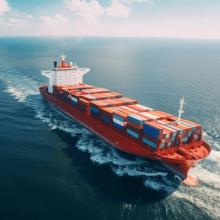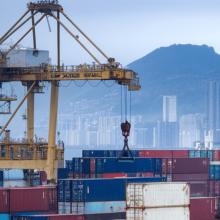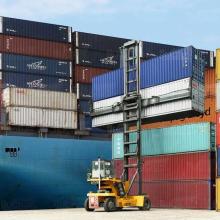
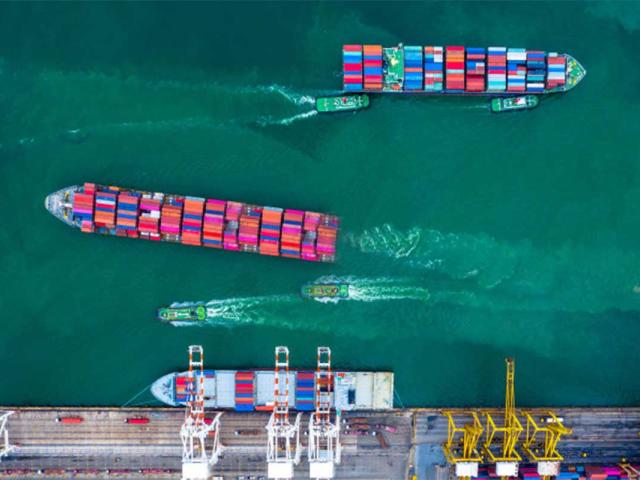
Whenever you have a batch of goods to ship across the ocean, choosing whichinternational shipping route, which ports to go through, and how to control costs and transit time become your top concerns. Don't worry, we'll demystifyinternational shipping routes together and help you understand this vast network connecting the world!
What are International Shipping Routes?
Imagine the ocean as a global highway system, andinternational shipping routes are the busiest, most fixed "shuttle bus lines" on those highways. They are not just arbitrary lines drawn on a map, but commercial passages connecting major ports worldwide with fixed schedules and destinations.
Why are International Shipping Routes So Important?
Simply put, over 90% of global trade goods travel via these routes. They are not random voyages but fixed commercial passages established by major shipping lines, connecting the world's key ports. From Chinese toys to German cars, from South American coffee to Middle Eastern oil, everything relies on them. They are the "arteries" of our globalized life.
Major Global Shipping Routes and Key Port Hubs
1. Asia-Europe Route - The Busiest "Golden Waterway"
This is the super route connecting the world's two major economic engines. Ships depart from East Asian ports like China and South Korea, traverse the Strait of Malacca, pass through Egypt'sSuez Canal, and finally arrive in Europe.
- Star Ports: China'sShanghai Yangshan Port,Ningbo-Zhoushan Port, Singapore'sPort of Singapore, and Europe'sPort of Rotterdam (Netherlands),Port of Hamburg (Germany). These are all super hubs with massive throughput!
2. Trans-Pacific Route - The "Grand Bridge" for US-China Trade
This route primarily connects Asia with the west coast of North America. It is further divided into:
- US West Coast Line: Directly serves ports like Los Angeles, Long Beach, and Oakland, offering faster transit.
- US East Coast Line: Transits via thePanama Canal or takes a longer route to deliver goods to East Coast ports like New York and Savannah.
- Star Ports: China'sShenzhen Yantian Port,Port of Hong Kong, and the USA'sPort of Los Angeles/Long Beach.
3. Other Important Routes
- Trans-Atlantic Route: Connects Europe and North America, a traditional and stable trade corridor.
- North-South Routes: For example, Asia to South America, Asia to Africa, etc. These routes are becoming increasingly important with the development of emerging markets.
How to Customize the Optimal Ocean Freight Plan?
Choosing a route isn't just about looking at a map; it's a comprehensive decision-making process. We typically consider the following four points for you:
Your Needs Are the First Principle
Do you prioritizemaximum speed orminimum cost? Is your cargo standard containers or special heavy-lift items? Tell us your needs, and we'll handle the rest.
Transparent Cost Breakdown
We provide clear quotations that include not just the ocean freight but also clearly listall foreseeable surcharges (such as Bunker Adjustment Factor BAF, Suez Canal Surcharge SCS/PTF) — no hidden fees, helping you accurately calculate logistics costs.
Track Your Cargo, Easier Than Ever
Say goodbye to the anxiety of "goods disappearing once on board the ship"! Contact us for real-time tracking of your container location and vessel status. Full control, total peace of mind.
Choosing Belforn Logistics Means Getting More Than Just Transport
We know reliable logistics is the cornerstone of your business success. Therefore, we provideone-stop, guaranteed solutions:
- Professional Team: Interprets routes for you, mitigates risks, and offers the best logistics plan.
- Global Agency Network: Seamless connections domestically and internationally to ensure smooth "Door to Door" service.
Frequently Asked Questions
Q1: What information do I need to provide to get a shipping quote from Shenzhen to Los Angeles?
A: For the most accurate quote, please provide:1. Type of cargo; 2. Number and size of containers (e.g., 2 x 20GP standard containers); 3. Port of loading and port of destination; 4. Expected shipping date. We will handle it right away!
Q2: How long does shipping from China to the USA usually take?
A: It's like asking, "How long does it take to drive from Beijing to Shanghai?" – it depends on the route and speed! For direct service to the US West Coast, the time at sea is about 15-20 days. But considering customs clearance, loading/unloading, and possible transshipments at both ends, the total time is typically around25-35 days. For the East Coast via the Panama Canal, it takes a bit longer.
Q3: Why do freight rates change so often?
A: Ocean freight rates are heavily influenced by the balance of supply and demand, very much like airline tickets! During peak season (high shipment volume), when oil prices rise, or when ports are congested, capacity tightens and rates go up. During off-peak seasons, prices drop. So, asking around and planning ahead is always a good idea!
Related Services
Bofeng Logistics offers the following services. Contact us for a quote:
Related Logistics Services
Bofeng Logistics offers the following related services, feel free to inquire: