Are you ever torn between sea, air, and rail before every shipment, worrying that the wrong choice will be both expensive and slow?
Don't worry, this guide is your ultimate “helper”! We'll break down all the international shipping methods in the most straightforward terms, so you can say goodbye to choice anxiety and easily find the perfect option for you!
Why Is Choosing the Right Shipping Method So Important?
Choosing a shipping method is like picking a “ride” for your goods. You wouldn't put an elephant in a sports car, nor would you make precision instruments squeeze into a “slow train”. Choose wisely, and you'll save money and time; choose poorly, and you'll face higher costs, delays, and major headaches! It directly affects your costs, profits, and customer satisfaction, so you can't afford to make a mistake.
Which of These International Shipping Methods Fits Your Needs?
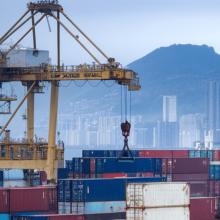
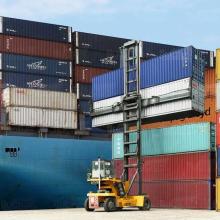
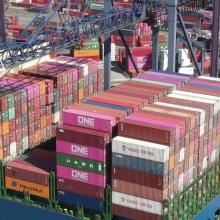
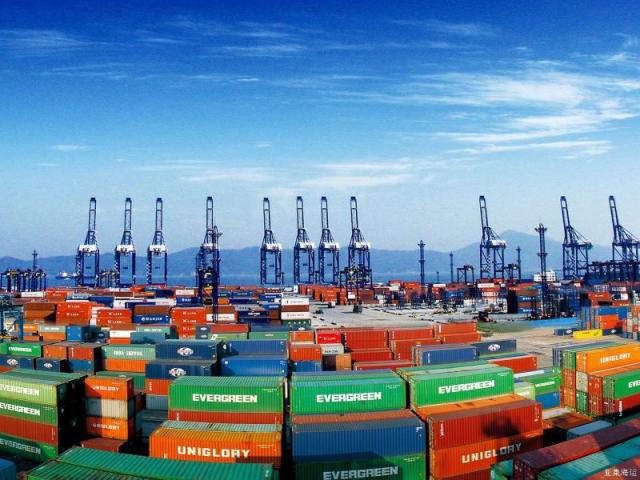
1. Sea Freight – The Value Champion, the “Flagship Carrier” for Bulk Goods
- Two main types:
- FCL (Full Container Load): Is your shipment enough to fill a container? Congratulations, you get an exclusive VIP booking service with good privacy and faster handling.
- LCL (Less than Container Load): Don't have much cargo? You can “share a ride” with others in one container, splitting the costs, just like group buying!
- Pros vs. Cons:
- Pros: Cheap! Huge capacity; can handle oddly shaped large items.
- Cons: Crossing oceans can often take one to two months. Prone to weather impacts.
2. Air Freight – The Speed Specialist, the “First Class Cabin” for High-Value Goods
- Airport-to-airport, or the more convenient door-to-door service; you just wait for the delivery.
- Pros vs. Cons:
- Pros: Fast! Reliable and safe, with high customs clearance efficiency.
- Cons: High cost! Freight rates can be several times higher than sea freight. Also, strict size and weight restrictions.
3. International Rail Freight – The “Iron Camel” of the Eurasian Continent
- Mainly refers to the China-Europe Railway Express, a modern caravan on the ancient Silk Road, running directly from China to Europe.
- Pros vs. Cons:
- Pros: Great value for money! Faster than sea (about half the time) and cheaper than air (about one-fifth the price). High stability with little impact from weather.
- Cons: Routes are relatively fixed, mainly covering the Eurasian continent.
4. International Courier – The Expert for Small Urgent Packages, Your “Personal Express”
- Pros vs. Cons:
- Pros: Hassle-free! Convenient! Super fast! Wide network, clear tracking systems, and the best door-to-door service experience.
- Cons: Most expensive! It has the highest unit price of all methods and is only suitable for small items.
- Best for urgent documents, high-value samples, or small e-commerce trial orders. In short, choose it when “budget is no issue, and I need it fast”!
Three Steps to Decide!
Still can't choose after all this? Remember this universal three-step method:
- Know Your Cargo: How heavy or large is your shipment? Is it valuable? Is it fragile? – Heavy/bulk goods go by sea; light, urgent, or high-value goods go by air or courier.
- State Your Needs: Do you care more about saving money or saving time? – Sea is for saving money, air/courier for saving time; rail is the middle ground.
- Check the Map: Where is your cargo coming from and going to? – For shipments between China and Europe, rail is the star; between the Americas and Europe, sea is the norm; for global reach, air freight.
Frequently Asked Questions
- Q: Which shipping method is the most commonly used?
- A: In terms of volume, sea freight is the absolute core method because it is the cheapest, handling about 90% of global trade.
- Q: How can I track my cargo's location?
- A: After shipping, you will receive a Bill of Lading number (sea) or Air Waybill number (air/courier). Just like a tracking number, you can enter it on the official website to check its location in real-time. Very convenient!
- Q: Should I buy cargo insurance?
- A: Highly recommended! Accidents and risks are unpredictable during transportation. For high-value goods especially, getting insurance ensures peace of mind and prevents huge losses in case of unexpected events.
See, you've leveled up from a “newbie” to a “semi-expert”! But while theory is useful, there are many pitfalls to avoid in the real world of international shipping.
The best advice is to leave the professional tasks to the professionals. Bofeng Logistics can help you handle the complex processes and secure better freight rates, making your cargo's journey overseas hassle-free, efficient, and cost-effective! Feel free to contact us anytime for international shipping inquiries.
Bofeng Logistics specializes in domestic container shipping, international sea freight (FCL/LCL), Hong Kong & Macao dedicated logistics routes, as well as one-stop services including trucking, customs clearance, and warehousing. Contact us at: 130-7567-8958 (Manager Huang). Call now for a customized quote!
Related Logistics Services
Bofeng Logistics offers the following related services, feel free to inquire: