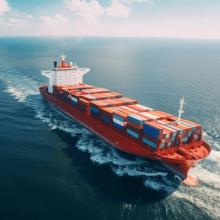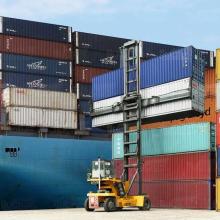
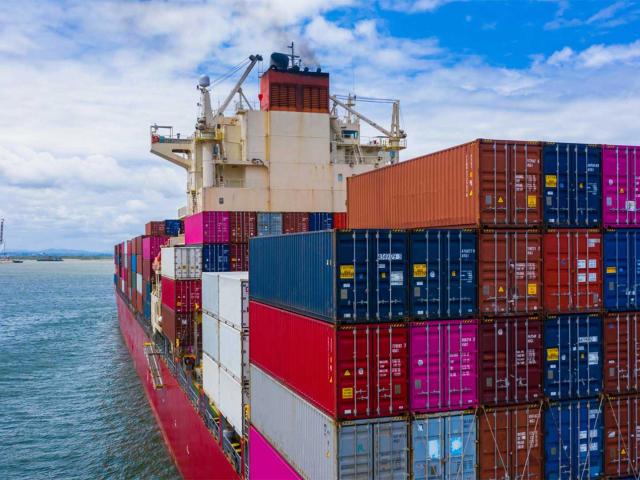
Sea freight LCL (Less than Container Load) transportation is a flexible and cost-effective method of cargo shipment. The following provides a comprehensive introduction to sea freight LCL transportation, including its basic concepts, operational流程, precautions, and key elements in practical operations.
Sea freight LCL transportation refers to the process where, when a shipper's cargo volume is insufficient to fill a standard container, a freight forwarder or carrier consolidates cargo from different shippers into the same container for transport. This method effectively reduces the unit transportation cost of the goods while providing extensive global coverage.
In international trade, LCL consolidation is suitable for transactions of various scales, from sample shipments to small-batch commodity exports. Understanding international trade terms (such as FCL, LCL, CIF, FOB, etc.), tariff policies, insurance requirements, and international trade rules is crucial for successfully executing LCL consolidation transportation.
Sea Freight LCL Transportation Operational流程
1. Booking and Rate Inquiry The shipper must submit cargo information (weight, volume, destination, etc.) to the freight forwarder or shipping company, obtain a quotation, and reserve space.
2. Cargo Delivery to Consolidation Point The cargo needs to be delivered to the designated consolidation warehouse on time, where it undergoes inspection, classification, and other preprocessing steps before awaiting consolidation.
3. Consolidation and Container Loading The freight forwarder reasonably consolidates the cargo based on its destination, shipping route arrangements, and cargo characteristics to ensure efficient space utilization and compliance with safe transportation standards.
4. Customs Clearance and Shipment After consolidation, the cargo undergoes export customs clearance before being loaded onto the vessel for departure. Upon arrival at the destination port, import customs clearance is required.
5. Deconsolidation and Delivery After the cargo is unloaded at the destination port, the container is unstuffed, and the goods are distributed to their respective consignees according to labels, completing the delivery.
Precautions
1. Cargo Packaging Ensure the cargo is securely packed with clear markings to withstand long-distance sea transportation and multiple handling operations, avoiding damage or mix-ups.
2. Insurance Requirements Consider insuring the cargo to cover potential risks during transportation, such as loss or damage.
3. Documentation Preparation Accurately prepare all necessary documents, such as the bill of lading, invoice, packing list, and certificate of origin, to ensure smooth customs clearance.
4. Timeliness LCL consolidation may require additional time compared to full container load (FCL) transportation due to the consolidation process. Shippers should plan delivery schedules reasonably.
5. Cost Considerations Although the unit cost of LCL is lower, attention should be paid to potential additional charges, such as storage fees, deconsolidation fees, and terminal handling charges.
Bofeng Logistics professionally provides one-stop logistics services including domestic container sea freight, international sea freight (FCL/LCL), Hong Kong and Macau dedicated logistics lines, as well as towing, customs clearance, and warehousing. Contact number: 130-7567-8958 (Manager Huang). Call now for a customized quotation!
Related Logistics Services
Bofeng Logistics offers the following related services, feel free to inquire: