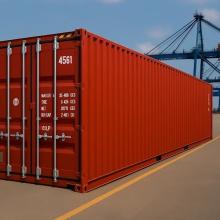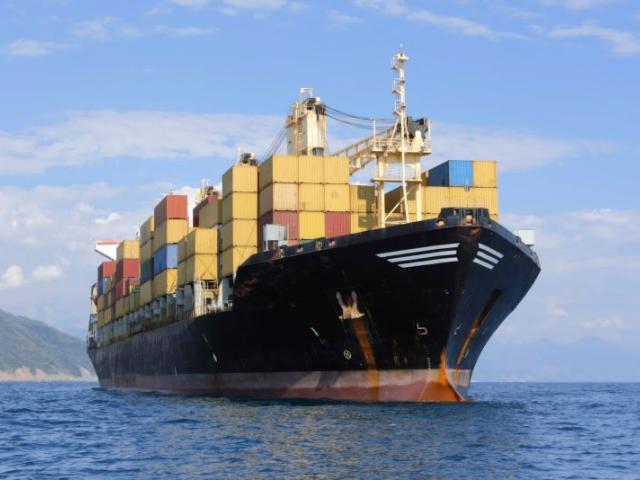
“How much does domestic sea freight cost per ton?”, “How much does domestic trade sea freight cost per ton?” This depends on different routes, different origins, and destinations, and the prices vary. For specific inquiries, please contact our company at: 130-7567-8958
But in general, domestic trade sea freight has specific price advantages. Calculated by the ton, domestic sea freight costs for medium-to-long distances are half or less than that of land transport.
The cost composition of domestic trade sea freight is the sum of various expenses incurred during the transportation of goods by sea in domestic trade. It directly relates to the price of domestic trade sea freight; therefore, an in-depth understanding of the composition of domestic trade sea freight costs is crucial for improving enterprise operational efficiency and competitiveness.
The following are the main components of domestic trade sea freight costs:
1. Basic Freight
Basic freight is determined based on the weight or volume of the goods (whichever yields the higher charge), as well as the distance of the shipping route. This is the most fundamental part of sea freight costs, usually calculated per ton or per cubic meter.
2. Surcharges
- Loading and Unloading Charges: These include the cost of loading goods at the port of origin and unloading them at the destination port. The fees may vary depending on the type of goods, weight, and operational difficulty.
- Terminal Handling Charges: Port terminals charge usage and service fees when goods are loaded and unloaded at the port.
- Yard Storage Fees: If goods need temporary storage in the port yard, storage fees will apply, usually calculated on a daily basis.
3. Additional Charges
- Bunker Adjustment Factor: With fluctuations in international oil prices, shipping companies may impose a fuel adjustment surcharge.
- Peak Season Surcharge: During peak transport periods, due to increased demand, shipping companies may levy an additional fee.
- Currency Adjustment Factor: When the operating currency of the shipping company depreciates relative to the contract currency, this fee may be charged to compensate for losses.
4. Insurance Fees
To ensure the safety of goods during transportation, enterprises usually need to purchase marine cargo insurance. The insurance fee is determined based on the value of the goods and the insurance terms.
5. Documentation Fees and Other Service Fees
Including bill of lading fees, agency fees, etc. The bill of lading is proof of ownership of the goods, and its creation and management incur costs.
6. Taxes
According to national policies, import and export goods may be subject to value-added tax, consumption tax, and other duties.
7. Contingency Expenses
Includes costs related to delays, rerouting, or damage to goods caused by unforeseen factors like weather or accidents. Although these are non-fixed costs, some buffer should be reserved when budgeting for expenses.
Related Logistics Services
Bofeng Logistics offers the following related services, feel free to inquire: