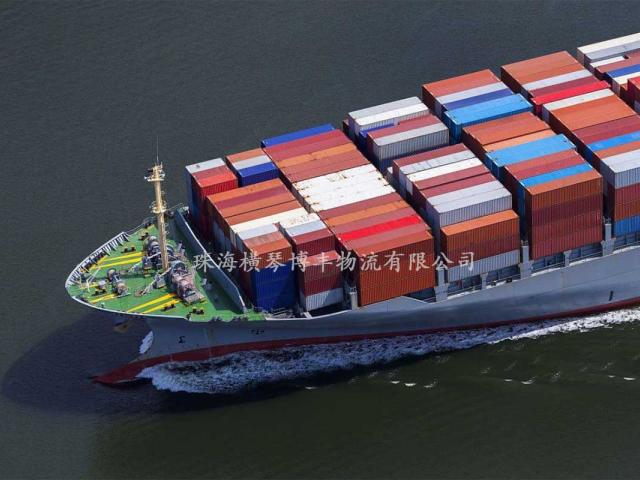
1. What is a Bill of Lading?
A Bill of Lading (B/L) is the most core document in international maritime shipping, serving three key legal functions:
2. Main Types of Bills of Lading
By Issuer
| Type | Issuer | Characteristics | Usage Scenario |
|---|---|---|---|
| MB/L (Master B/L) | Shipping Line | Document of title, can be used to take delivery directly | Direct transactions with the shipping line |
| HB/L (House B/L) | Freight Forwarder | Issued by forwarder, needs to be exchanged for MB/L for delivery | Shipping through a freight forwarder |
Difference: The forwarder issues the HB/L to the shipper, while the forwarder themselves holds the MB/L from the shipping line. The consignee must exchange the HB/L for a D/O (Delivery Order) from the forwarder's agent at the destination port to take delivery.
By Shipping Status
| Type | Description |
|---|---|
| On Board B/L | Certifies that the goods have been loaded onto a named vessel (common) |
| Received for Shipment B/L | Certifies that goods have been delivered to the shipping company but not yet loaded (rare) |
By Presence of Reservations
| Type | Description |
|---|---|
| Clean B/L | Goods/packaging are in apparent good order and condition, no reservations |
| Claused B/L | Contains reservations (e.g., "packaging damaged"), typically not accepted by Letters of Credit |
3. Content and Issuance of the Bill of Lading
Main fields of a B/L and key filling points:
SHIPPER ── Usually the exporter, must match the customs declaration.
CONSIGNEE ── The most common entry is "TO ORDER" (Order B/L, negotiable by endorsement).
NOTIFY PARTY ── Enter the buyer's company name and address, the party to be notified upon arrival.
VESSEL / VOYAGE
PORT OF LOADING / PORT OF DISCHARGE
DESCRIPTION ── Can match the commercial invoice; needs not be excessively detailed.
GROSS WT / MEASUREMENT
FREIGHT ── PREPAID or COLLECT
| Field | Notes |
|---|---|
| Shipper | Usually the exporter, must match the customs declaration. |
| Consignee | Most common: "TO ORDER" (Order B/L, negotiable). |
| Notify Party | Buyer's company name and address; the party notified by the shipping line upon arrival. |
| Description | Can match the commercial invoice description; does not need to be very detailed. |
| Freight | PREPAID or COLLECT, must align with trade terms. |
4. Bill of Lading Endorsement
A B/L with the consignee field stating "TO ORDER" is called an Order B/L — it is not designated to a specific consignee but is transferable/negotiable through endorsement.
Common Endorsement Methods
| Endorsement Method | Procedure | Effect |
|---|---|---|
| Blank Endorsement | Shipper stamps and signs on the back | Any holder of the original B/L can take delivery |
| Special Endorsement | Shipper specifies "Deliver to XX Company", then stamps and signs | Only XX Company can take delivery |
| Simple Consignment | Send directly to the consignee without endorsement | The consignee takes delivery with the original B/L directly |
L/C settlement → Follow the endorsement method required by the Letter of Credit; T/T settlement → Blank endorsement is the most flexible (hand over after buyer pays the balance).
5. Original Bill of Lading vs. Telex Release
| Comparison | Original B/L | Telex Release |
|---|---|---|
| Form | Physical paper document (usually 3 originals + 3 copies) | Electronic document (no paper required) |
| Transfer | Sent by courier/mail | Transmitted by telex or email |
| Speed | Slow (3-7 days) | Fast (a few hours) |
| Risk | Theft or loss during shipment can cause delays | No risk of loss in transit |
Cost| Courier fee | Telex release fee (approx. ¥300-500) | |
| Suitability | L/C, untrustworthy buyers | T/T, buyers with good credit |
Full payment must be confirmed before proceeding with a telex release. After a telex release, the consignee can take delivery without the original B/L.
6. Sea Waybill
A Sea Waybill differs from a Bill of Lading—it is NOT a document of title. The consignee only needs to prove their identity to take delivery, without presenting an original.
| Comparison | Original B/L | Sea Waybill |
|---|---|---|
| Document of Title | ✅ Yes | ❌ No |
| Requires Original for Delivery | ✅ Yes | ❌ No |
| Negotiable | ✅ Can be transferred via endorsement | ❌ Not negotiable |
| Suitable for | L/C, situations requiring transfer of ownership | Related companies, buyers with excellent credit |
7. Key Bill of Lading Risk Control Points
| Risk | Control Measure |
|---|---|
| B/L lost in transit | Use international couriers (DHL/FedEx/UPS) and purchase insurance |
| Buyer takes delivery before receiving payment | Use an Order B/L ("TO ORDER") to retain control of the title |
| Buyer doesn't pay after telex release | Must receive full payment before releasing via telex |
| Errors in B/L content | Carefully check all fields upon receiving the draft B/L |
Have goods to ship? Send the descriptions, weight, volume, and destination port to Borfeng Logistics. We provide ALL-INclusive quotes with flat rates and no hidden fees. Over 20 years of international shipping experience.
>
Get a Quote: 13075678958 | info@zhbfwl.com
Related Logistics Services
Bofeng Logistics offers the following related services, feel free to inquire: