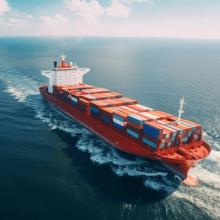
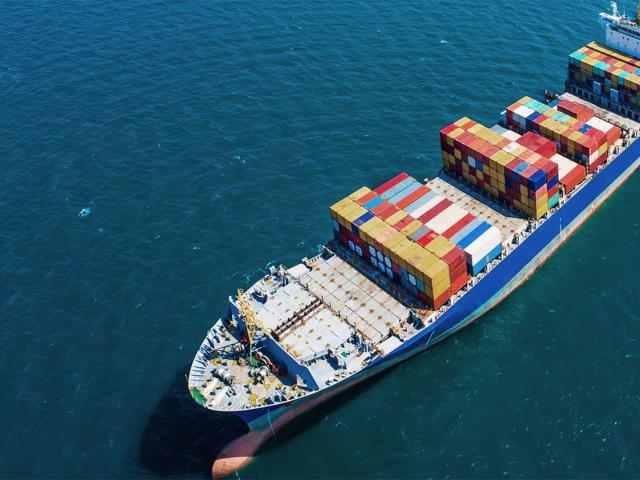
The International Maritime Dangerous Goods (IMDG) Regulations are primarily composed of the International Maritime Dangerous Goods (IMDG) Code established by the International Maritime Organization (IMO). They aim to ensure the safe transport of dangerous goods by sea, protecting personnel, property, and the environment from potential hazards. The following outlines the key elements, classification standards, packaging requirements, marking and labeling, documentation regulations, and latest updates of the international maritime dangerous goods regulations to help you understand and comply with the standards and procedures for transporting dangerous goods by sea.
1. Introduction to the IMDG Code
The IMDG Code is a set of international guidelines developed by experts organized by the Maritime Safety Committee of the IMO. It applies to all countries and regions involved in the maritime transport of dangerous goods. Based on the International Convention for the Safety of Life at Sea (SOLAS) and the International Convention for the Prevention of Pollution from Ships (MARPOL 73/78), it provides detailed guidance on the classification, packaging, labeling, stowage, segregation, handling, and emergency response for dangerous goods.
2. Classification of Dangerous Goods
Dangerous goods are classified into several categories based on their properties, including but not limited to:
- Explosives: Substances and articles with explosive risk.
- Gases: Flammable gases, non-flammable non-toxic gases, toxic gases, etc.
- Flammable Liquids: Liquids with a flash point below a specific temperature.
- Flammable Solids: Solid materials that are easily combustible.
- Oxidizers: Substances that can cause or promote the combustion of other materials.
- Toxic Substances: Substances posing serious threats to human health.
- Radioactive Materials: Substances or articles containing radionuclides.
- Corrosive Substances: Substances that can corrode biological tissue or metals.
- Miscellaneous Dangerous Substances and Articles: Substances that do not fully fit the above classifications but are still hazardous.
3. Packaging Requirements
Packaging for dangerous goods must meet specific standards to withstand pressure under normal and abnormal transport conditions, preventing leakage, spillage, or reactions. Packaging must also pass relevant tests and be marked with clear identification signs and labels.
4. Marking and Labeling
Each package of dangerous goods must bear clearly visible markings and labels indicating the hazard class, UN number, and proper shipping name, enabling quick identification and emergency response.
5. Documentation Requirements
When transporting dangerous goods, a Dangerous Goods Declaration (DGD) and other necessary documents, such as emergency response information and cargo manifests, must be prepared to ensure carriers, crew, and port authorities are aware of the nature of the dangerous goods on board and the corresponding response measures.
6. Latest Updates and Compliance
The IMDG Code is regularly updated to adapt to technological advancements, the emergence of new dangerous goods, and changes in safety and environmental requirements. Practitioners should stay informed about the latest edition to ensure operations comply with current regulations. For example, 2024 updates may include adjustments to transport requirements for certain hazard classes, classifications of new substances, or improvements to packaging instructions.
Bofeng Logistics specializes in providing one-stop logistics services such as domestic container shipping by sea, international shipping (FCL/LCL), Hong Kong and Macau logistics routes, as well as trucking, customs clearance, and warehousing. Contact us: 130-7567-8958 (Manager Huang). Call now for a customized quote!
Related Logistics Services
Bofeng Logistics offers the following related services, feel free to inquire: