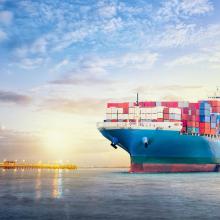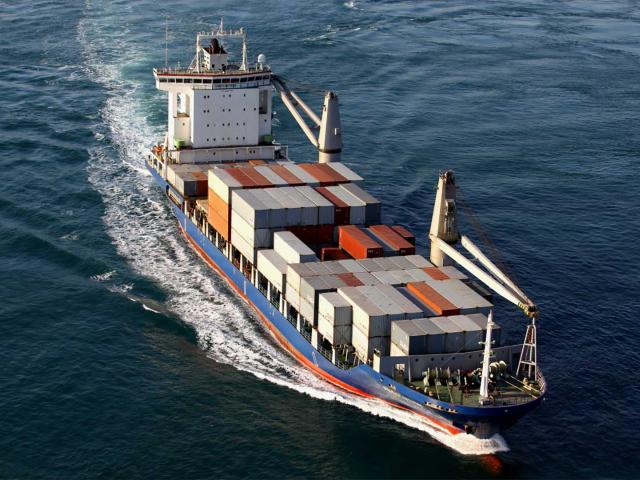
In import and export business, when a shipment worth hundreds of thousands or millions is crossing the ocean, what worries you the most? Nine out of ten bosses will answer: fear of cargo damage, fear of losing goods, fear of accidents!
Indeed, there are strong winds and waves at sea, rough handling at docks, and even theft and war... too many risks. Once something goes wrong, the loss is real and tangible.International cargo insurance is the "golden safety net" specifically designed to deal with these troubles. This guide today will help you understand it thoroughly in plain language.
1. What is cargo insurance? Why is it called a "lifesaving straw"?
Simply put, international cargo insurance is the "insurance" you buy for your goods. You pay a premium, and the insurance company promises to compensate you if your goods encounter an accident covered by the contract during transit.
Why is it indispensable?
- No fear of natural and man-made disasters: For example, if a container falls into the sea due to a big storm, or a warehouse catches fire, or goods are stolen, these losses can be claimed from the insurance company.
- More peace of mind for buyers and sellers : Especially when paying by letter of credit, the bank will clearly require you to purchase insurance, otherwise they won't release the payment.
- Avoid huge losses : The value of a single shipment of goods can be higher than your annual profit. One accident can severely impact a company. Insurance helps you bear this risk.
Who needs to buy it most? Whether you are the shipper (seller) or the consignee (buyer), if the goods are damaged while under your name, you bear the loss. Therefore, it is very important to clarify who buys it. This is usually specified in the trade contract (e.g., FOB, CIF terms).
2. Core Clause Breakdown: What is the difference between ICC(A)/(B)/(C) clauses?
This is the most professional part, but don't worry, we'll explain it clearly. The most commonly used internationally are the Institute Cargo Clauses (ICC), which are divided into three types, like mobile phone "plans":
- ICC(A) Clause -- "All-round Plan"
- Coverage : Broadcast! Covers all risks except those explicitly excluded. Simply think of it as "all risks" insurance, providing the most worry-free protection.
- Suitable for : High-value, easily damaged goods, such as electronic products and precision instruments.
- ICC(B) Clause -- "Popular Plan"
- Coverage : Narrower than Clause A. It lists the specific causes of loss that are covered, such as ship grounding, sinking, collision, fire, explosion, etc.Special note: It does not cover "inherent vice" like rust or mildew.
- Suitable for : Most ordinary goods like hardware, plastic products, etc.
- ICC(C) Clause -- "Economy Plan"
- Coverage : Most basic! Only covers the most significant accidents, like ship sinking, burning, or collision. Theft of goods or handling damage are not covered.
- Suitable for : Bulk, durable cargoes like ores, steel, etc.
How to choose? Simply put: choose A if you want peace of mind for high-value goods; choose B for general goods for cost-effectiveness; choose C for low-value, non-fragile goods. Be sure to confirm with your insurance company exactly which type you are buying!
3. Step-by-Step Guide: How to Buy Insurance?
Buying insurance isn't complicated. Just three steps:
- Calculate the insured amount : Usually based on the sum of "CIF value (Cost, Insurance, Freight) + a markup of 10%". For example, if your CIF value is $100,000, the insured amount is $110,000. This covers your expected profit.
- Find the right contact : You can go directly to an insurance company (e.g., PICC, Ping An), or find a more professional insurance broker who can compare prices and plans from different companies for you.
- Fill in the forms : Provide cargo information (description, quantity, packaging), vessel name and voyage, port of loading and destination. The information must be accurate, otherwise it may affect claims!
4. How is the premium calculated? How much will it cost?
Marine cargo insurance costs are not fixed. Like car insurance, it's priced based on "risk":
- Cargo value : The more expensive the cargo, the higher the premium.
- Shipping route : Routes passing through conflict zones (e.g., Red Sea) are more expensive than regular routes.
- Type of goods : Fragile items and chemicals have higher premiums than plastic toys.
- Insurance clause : The better the plan you choose (e.g., Clause A), the higher the premium.
- Deductible : You can choose to set a "deductible", e.g., losses under $500 are not covered. This can significantly lower your premium.
5. If something happens, don't panic! Claim step by step
If you do receive damaged goods, don't just accept the loss! Follow this process:
- Act immediately:
- Don't disturb the scene! Immediately take photos and videos as evidence.
- Notify promptly : Immediately notify your insurance company (or broker), the carrier (shipping line), and your freight forwarder at the destination port.
- Get expert inspection :
- The insurance company usually appoints an independent third-party inspection agency (like the well-known SGS) to inspect the scene and issue a survey report. This report is crucial evidence for your claim.
- Prepare claim documents :
- The insurance policy, commercial invoice, bill of lading, packing list are mandatory.
- The most critical are the survey report and statement of claim.
- Submit your claim : Organize all the documents and submit them to the insurance company to apply for compensation.
Watch out for these "pitfalls" (reasons for claim rejection):
- Improper packaging : If you didn't pack the goods properly yourself, the insurance company won't pay.
- Inherent vice of the goods : For example, the goods deteriorate or get damp on their own.
- Delayed reporting : If you delay reporting an incident for days, the insurance company may refuse the claim.
- Not covered by the policy : If you bought Clause C but the goods were stolen, it definitely won't be covered.
Frequently Asked Questions (FAQ)
Q: Under FOB terms, who should buy insurance? A: FOB (Free on Board) means that theoretically, the risk transfers to the buyer once the goods are on board the vessel. Therefore, the buyer is usually responsible for insuring them. However, it's best to specify this in the contract to avoid disputes.
Q: What should I pay attention to when shipping by container? A: Yes! If it's a full container load (FCL), you must stuff and secure the cargo properly and take photos as a record. If cargo damage results from your poor stuffing, the insurance company may not pay.
Q: The Red Sea is at war right now. Do I need to add war risk insurance? A: Very much needed! Standard ICC clauses do not cover risks like war, strikes, etc. If your ship is passing through high-risk areas, you must specifically add "War Risks" and "Strikes Risks" insurance. It may cost a bit more, but it buys peace of mind.
Summary
Buying insurance for your cargo is not a waste of money; it's spending money to buy peace of mind and security. One successful claim can recover all the premiums you have ever paid.
I hope this guide has cleared up any confusion. Next time you arrange insurance, you can act like a pro, clearly knowing what you are buying, what is covered, what is not, and run your business smoothly and safely!
Bofeng Logistics specializes in providing one-stop logistics services including domestic container shipping, international shipping (FCL/LCL), Hong Kong and Macau logistics routes, as well as trucking, customs declaration, and warehousing. Contact number: 130-7567-8958 (Manager Huang), call now to get an exclusive quote!
Related Logistics Services
Bofeng Logistics offers the following related services, feel free to inquire: