
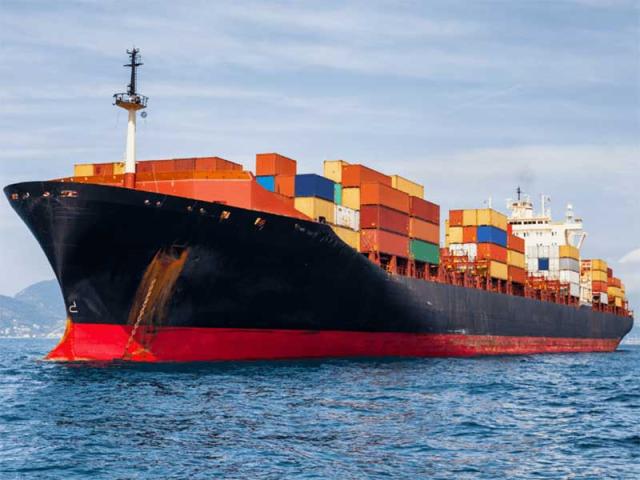
What is "VGM", "What does VGM mean", "What is VGM", "Maritime VGM"? How much do you know? Last year, the Ministry of Transport issued Decree No. 6 of 2020, the "Decision on Amending the
What is "VGM"?
The International Maritime Organization (IMO) released information about the implementation of the SOLAS Convention requirements regarding Verified Gross Mass (VGM) for export containers, stipulating that from July 1, 2016, containers will no longer be allowed for loading unless the shipper on the bill of lading provides the container weight to the maritime carrier and/or terminal representative. Its main purpose is to require verification of the container's total weight, a commitment to safety. Misdeclaration of container gross mass poses risks to personnel (both domestic and foreign), inland and maritime cargo, and equipment, and can lead to accidents. The Verified Gross Mass (VGM) regulation aims to reduce these risks.
Specific Regulations of "VGM"
The shipper is responsible for providing the container weight. Two approved weighing methods determine the container weight. Terminal operators have the duty to ensure that only containers with a verified weight can be loaded onto the ship. It is clear that the new regulation is crucial for improving maritime safety and ensuring the safety of goods, containers, and all aspects of container transport throughout the supply chain, reducing risks. According to the new regulation, before ship loading, the shipper is responsible for providing the verified gross mass to the maritime carrier or terminal representative for each loaded container. Who is the designated shipper in the new regulation? The shipper should be a legal entity. It refers to the shipper listed on the maritime bill of lading or sea waybill and related transport documents. It is the party that signs the transportation contract with the shipping company or their representative. Therefore, regardless of whether they are acting for a third party or others, the shipper is responsible for providing the verified container weight. Hence, understanding the new regulation is essential. Regardless of whether such documents have been uploaded through the company's official website or EDI system, the shipper must provide the verified cargo weight of the container in the shipping instructions. The shipper needs to incorporate "VGM" into the shipping cycle. The shipper needs to establish a process that integrates weight verification services across all supply chain links. As the shipper is the legal entity responsible for providing "VGM", they need to calculate the potential costs for complying with this regulation. The shipper needs to be aware of involved local regulations and related penalties. If the shipper fails to provide "VGM" information to the carrier and terminal representative on time, the carrier and terminal representative have the right to deny loading.
VGM Impact on Shippers:
1. Who is responsible for submitting VGM information?
The "shipper" on the bill of lading is the party responsible for providing the VGM to the carrier. Each container requires a VGM submission by the VGM cut-off time to be loaded onto the ship. Failure to submit the VGM before the cut-off time means the container cannot be loaded.
2. Will VGM be displayed on the bill of lading?
No.
3. Are VGM requirements applicable to bulk cargo?
No. Under the implementation of the new regulation, the terminal is responsible for ensuring complete "VGM" information for each booking before finalizing the stowage plan. The terminal will receive VGM information sent by the shipper or maritime carrier and needs facilities or other system equipment to receive EDI transmissions to ensure information is updated into the system promptly. If VGM information is submitted under the supervision of the port, the terminal needs to send the information to the carrier. In exceptional cases, the terminal might verify the weight of containers for which VGM information has been submitted. If any discrepancy exists, the terminal's measured value shall be considered final. Overweight containers pose significant risks to ship safety. The editor will again organize the "VGM" regulations using a Q&A format:
Frequently Asked Questions about VGM:
(I) What is the origin of VGM?
The International Maritime Organization (IMO) established it to increase maritime safety and reduce transportation risks caused by overweight loaded containers. It applies to the global maritime transport scope due to maritime accidents caused by overweight!
(II) VGM effective date?
Formally effective from July 1, 2016.
(III) What is the weight of an export loaded container?
"Export loaded container weight" = Cargo weight (Gross weight) + Cargo packing weight (including pallets, cartons, securing materials, etc.) + Empty container tare weight (tare weight identified on the container). The export loaded container weight is the sum of the cargo weight, the packing weight of the cargo, and the empty container tare weight.
(IV) Who submits VGM information?
STEP 1: The shipper is responsible for providing the actual cargo weight to the booking agent. STEP 2: The booking agent is responsible for sending it to the ship owner or ship owner's agent via EDI. STEP 3: The ship owner or ship's agent sends it to the port and the vessel. Shipper → Shipper's Booking Agent → Ship Owner or Agent → Port and Vessel.
(V) Who verifies the authenticity of VGM data?
A. The shipper self-checks. B. The ship owner does not verify the accuracy of "VGM" data. C. Maritime authorities have the right to question the data.
(VI) Does VGM have a cut-off time?
A. Shipping companies have a cut-off time, set individually by each shipping company.
(VII) What are the risks of not submitting VGM or submitting it late?
NO VGM, NO LOAD!
(VIII) What if submitted "VGM" data needs to be changed?
A. Modifications are allowed before the cut-off time. B. Modifications are allowed after the cut-off time, but the shipping company may charge a fee. C. In principle, changes are not accepted within 6 hours before vessel berthing. (Specific details should follow the shipping company's regulations.)
(IX) Is there a remedy if "VGM" data is not submitted?
For export loaded containers without VGM information, the shipper can choose to submit a weighing application to the port upon entry, where the port will issue a "VGM" report and charge a fee.
Related Services
Bofeng Logistics offers the following services. Contact us for a quote:
Related Logistics Services
Bofeng Logistics offers the following related services, feel free to inquire: