(1) Domestic Transport
1. "Railway Goods Transport Regulations" (abbreviated as "Freight Regulations"). It is the basic regulation for organizing goods transport, defining rights and obligations, and assuming economic responsibility between the railway, shippers, and consignees. It is binding on both parties and must be complied with during the transport of goods.
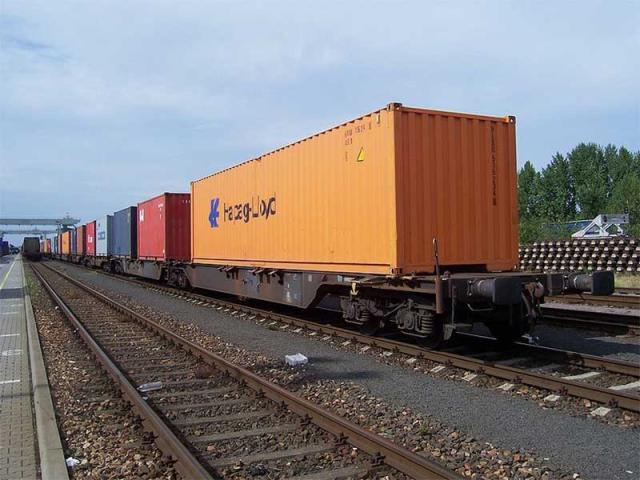
2. Rules and methods derived from the "Freight Regulations": (1) "Railway Goods Transport Rules"; (2) "Rules for the Transport of Dangerous Goods by Rail"; (3) "Rules for the Transport of Fresh and Live Goods by Rail"; (4) "Rules for the Transport of Out-of-Gauge Goods by Rail"; (5) "Rules for the Loading and Securing of Railway Goods"; (6) "Method for Preparing Monthly Railway Transport Plans"; (7) "Organizational Method for Daily Freight Work"; (8) "Method for Express Goods Transport"; (9) "Rules for Container Transport by Railway"; (10) "Method for Insured Railway Goods Transport"; (11) "Method for Management of Railway Goods Transport Incidental Charges"; (12) "Interim Method for Taxation on Wagon Use Fees"; (13) Other methods formulated in accordance with the "Freight Regulations".
(2) International Railway联运
1. "Agreement on International Railway through Transport" (abbreviated as "International Freight Agreement"). Among countries participating in this agreement, it stipulates transport conditions for through goods and defines rights, obligations, and liability division between the railway and shippers/consignees. It is binding on the railway, shippers, and consignees. China is a participant in this agreement.
2. "Uniform Transit Freight Tariff" (abbreviated as "Uniform Tariff"). It is the regulation for the procedures of through goods transport, calculation of various freight charges, and penalties among countries participating in the Uniform Tariff Convention. China is a participant in this convention.
3. "Detailed Rules for the Implementation of the Agreement on International Railway through Transport" (abbreviated as "Implementation Details of Freight Agreement"). It is applicable only to internal railway operations among countries participating in the International through Transport Agreement and is used to adjust inter-railway relations. It cannot serve as a legal basis for the relationship between shippers/consignees and the railway.
4. "Rules for the Use of Vehicles in International through Transport" (abbreviated as "Vehicle Rules"). It is a regulation for vehicle use among countries participating in the Convention on the Use of Vehicles in International through Transport. China is a participant in this convention.
5. "Method for International Railway through Transport", which is a summary and compilation of relevant international transport through regulations. This method is solely for use by domestic railways in China.
(3) Water-Rail Combined Transport
"Rules for Combined Railway and Waterway Goods Transport" is the basic regulation covering transport conditions, procedures, calculation of freight charges, and the division of rights, obligations, and liability among shippers, consignees, railways, and waterways in combined transport. It is binding on railways, waterways, shippers, and consignees.
(4) Military Transport
1. "Management Method for Railway Military Transport"
2. "Rules for the Transport of Military Dangerous Goods by Rail"
3. "Method for Billing and Paying for Railway Military Transport"
Bofeng Logistics specializes in providing one-stop logistics services including domestic container shipping, international shipping (FCL/LCL), Hong Kong and Macau logistics routes, as well as trucking, customs declaration, and warehousing. Contact number: 130-7567-8958 (Manager Huang). Call now for a customized quote!
Related Logistics Services
Bofeng Logistics offers the following related services, feel free to inquire: