
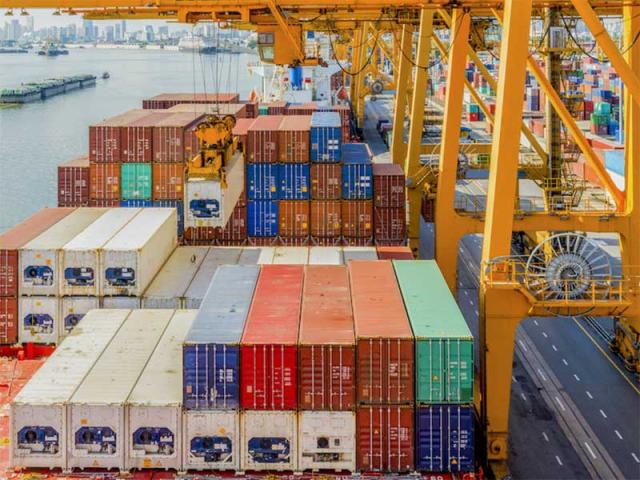
A reefer container (Reefer Container) is a specialized container with a built-in refrigeration unit, capable of stably maintaining the internal temperature at any set value between -30°C and +30°C.
Want to first understand the parameters and selection of standard dry containers? See the Dry Container (20GP/40GP/40HQ) Guide; for over-height and over-weight cargo, refer to the Open-top/Hard-top/Flat-rack Container Solutions.
1. Technical Parameters of Refrigerated Containers
| Parameter | 20ft Refrigerated Container | 40ft Refrigerated Container | 40ft High-Cube Refrigerated Container |
|---|---|---|---|
| External Dimensions | 6,058×2,438×2,591mm | 12,192×2,438×2,591mm | 12,192×2,438×2,896mm |
| Internal Dimensions | 5,456×2,294×2,273mm | 11,590×2,294×2,500mm | 11,590×2,294×2,550mm |
| Internal Volume | 28.5CBM | 67.9CBM | 67.9CBM (Usable Space) |
| Maximum Payload | 25,000kg | 29,500kg | 29,500kg |
| Tare Weight | 3,100kg | 4,200kg | 4,500kg |
| Temperature Range | -30°C to +30°C | -30°C to +30°C | -30°C to +30°C |
| Refrigeration Mode | Electric refrigeration (440V/60Hz) | Electric refrigeration | Electric refrigeration |
Data Source: Maersk/MSC refrigerated container specification sheets + ISO 1496-2 refrigerated container standard.
2. Reference Table of Ideal Transport Temperatures for Different Goods
| Cargo Type | Recommended Temperature | Relative Humidity | Ventilation Requirement | Special Notes |
|---|---|---|---|---|
| Frozen Meat | -18°C | 85-95% | Low | Temperature fluctuation ≤±2°C |
| Seafood/Fish | -18°C to -25°C | 90-95% | Low | Lower temperatures extend shelf life |
| Ice Cream | -25°C to -30°C | — | Low | Must maintain cold chain throughout |
| Dairy Products | 2°C to 4°C | 85-95% | Low | Highly temperature-sensitive |
| Fresh Fruits (Tropical) | 10°C to 13°C | 85-90% | Medium | Requires ventilation (bananas/mangoes, etc.) |
| Fresh Fruits (Temperate) | 0°C to 2°C | 90-95% | Medium | Apples/pears/grapes, etc. |
| Fresh Vegetables | 0°C to 4°C | 95-100% | Medium-High | Leafy greens require more ventilation |
| Flowers/Plants | 2°C to 5°C | 90-95% | Medium | Avoid ethylene gas |
| Pharmaceuticals (2-8°C) | 2°C to 8°C | 35-50% | Low | Dual probes + data logging required |
| Chocolate | 15°C to 18°C | 50-60% | Low | Melts if temperature too high |
| Red Wine | 12°C to 14°C | 60-70% | Low | Constant temperature is most important |
| Frozen French Fries | -18°C | — | Low | Avoid repeated freeze-thaw cycles |
| Honey | 10°C to 15°C | — | Low | Crystallization does not affect quality |
3. PTI Inspection — A Necessary Step Before Loading
PTI (Pre-Trip Inspection) is a functional test of the refrigeration system that must be performed before loading a reefer container. Containers that do not pass the PTI cannot be used for refrigerated cargo transport.
PTI Inspection Items
| Inspection Item | Inspection Content | Acceptance Criteria |
|---|---|---|
| Refrigeration unit appearance | Check the unit for physical damage or oil leaks | Appearance intact |
| Refrigerant pressure | Check compressor suction and discharge pressure | Within normal range |
| Temperature sensors | Calibrate supply/return air temperature probes | Accuracy ±0.3°C |
| Defrost function | Test automatic defrost cycle | Complete defrost |
| Ventilation | Test fresh air ventilation damper (if applicable) | Operates normally |
| Data logger | Confirm the recorder functions properly | Able to record all data throughout the journey |
| Power plug | Check cable and plug for integrity | No damage |
| Container airtightness | Test airtightness after closing doors | Properly sealed |
PTI Inspection Time: Complete 24–48 hours before loading, taking approximately 1–2 hours.
PTI Cost: Varies depending on the reefer model and inspection agency. Emergency PTI inspections are usually subject to an additional charge; the specific cost is subject to the booking confirmation quotation.
4. Full Process of Reefer Container Loading Operations
4.1 Pre-loading Preparation
| Step | Operation | Time |
|---|---|---|
| ① Booking | Confirm the reefer container is available and the power plug area matches | T-7 days |
| ② PTI pre-inspection | Complete comprehensive inspection of the refrigeration system | T-2 days |
| ③ Cargo pre-cooling | Cargo must be pre-cooled to transport temperature | T-1 day |
| ④ Container pre-cooling | Pre-cool the empty container to the set temperature | ≥2 hours before loading |
4.2 Key Requirements During Loading
| Requirement | Standard | Consequence of Violation |
|---|---|---|
| Airflow channel | Leave at least ≥10 cm clearance around the cargo | ❌ Cold air cannot circulate → uneven temperature control of cargo |
| Refrigeration unit air outlet | Do not stack cargo within ≥30 cm in front of the air outlet | ❌ Return air short-circuit → reduced refrigeration efficiency |
| Floor T-slot | Must be kept clear (cold air circulates from the bottom) | ❌ Floor blocked → lower layer temperature too high |
| Loading time | Close the door and start cooling immediately after loading is completed | ❌ Door open for too long → temperature fluctuation |
| Temperature recorder | It is recommended to use a calibrated third-party recorder | — |
| Stacking limit | No more than 2 layers (for uniform cold air distribution) | ❌ Stacking too high affects airflow |
4.3 Post-loading Confirmation
□ Container door is closed securely, refrigeration unit has been started
□ Set temperature confirmed (consistent with the setting during PTI inspection)
□ Temperature recorder activated
□ Ventilation opening setting confirmed (according to cargo type)
□ Power plug connected and locked
□ Container number and CSC nameplate photographed
□ Loading photos taken and archived
5. Full-Process Temperature Monitoring
| Monitoring Method | Accuracy | Advantages | Disadvantages |
|---|---|---|---|
| Shipping Company Remote Monitoring | ±1°C | Real-time viewing | Cannot access third-party data |
| Third-party Recorder | ±0.3°C | Independent data, legal basis | Equipment needs to be returned |
| Real-time IoT Solution | ±0.5°C | Real-time alert push | Higher cost |
Recommended approach: Shipping company remote monitoring (for daily checks) + third-party recorder (as legal evidence).
6. Common Refrigerated Container Issues
| Problem | Cause | Consequence | Prevention |
|---|---|---|---|
| Excessive temperature fluctuation | Frequent door openings/refrigeration malfunction | Cargo quality deterioration | PTI inspection + reduce door openings |
| Air outlet blockage | Cargo stacked too close | Uneven cold air distribution | Maintain ≥30cm clearance at air outlet |
| Incomplete defrosting | Evaporator icing | Reduced cooling efficiency | Regularly check defrost cycle |
| Power interruption | Dock power transfer/vessel switchover | Temperature rise inside container | Confirm backup power plan |
| Recorder malfunction | Battery depletion/settings error | No temperature data | Check recorder status before loading |
Data Notes: Temperature reference data is sourced from Maersk/MSC reefer container operation manuals and industry-standard cold chain transport data. Data as of July 2026.
📖 Further Reading: International Shipping Operations Manual Chapter 09: Special Cargo Shipping — Key operational points and precautions for reefer container transport
Have refrigerated cargo to ship? Bofeng Logistics provides one-stop services including reefer container booking, PTI pre-inspection, and full-process temperature control monitoring.
Refrigerated Logistics Consultation: 13075678958 | info@zhbfwl.com
Refrigerated Container FAQ
Q: Must cargo be pre-cooled before refrigerated container transport?
A: It is recommended to pre-cool the cargo to the target shipping temperature before loading, as this can shorten the container cooling time and reduce the risk of temperature control fluctuations during transit. This is especially important for temperature-sensitive goods such as fruit and pharmaceuticals.
Q: Can ordinary dry cargo be booked for refrigerated container transport?
A: Yes, it can be booked, but the usage fee for a refrigerated container is usually higher than that for a dry container, and it requires continuous power supply throughout the entire journey. If the cargo has no temperature control requirements, it is recommended to choose a regular dry container to save costs.
Disclaimer: This article was compiled by the Bofeng Logistics team, with the content verified in August 2026. Container specifications and cost data may be adjusted due to changes in shipping lines, routes, and market conditions; please refer to the information confirmed at the time of booking.
Related Logistics Services
Bofeng Logistics offers the following related services, feel free to inquire: