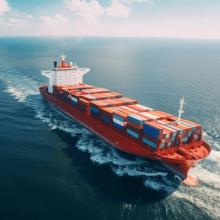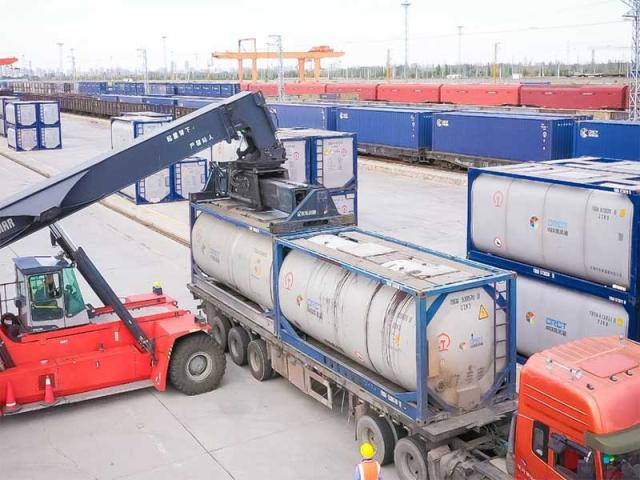
An ISO tank is a specialized container featuring a stainless steel tank mounted within a standard container frame, designed specifically for the safe transportation of liquid and gas cargo.
For sea transport of liquid and gas cargo, besides drummed goods, tank containers (ISO Tanks) are also commonly used for whole-tank shipment. This article provides a systematic explanation of tank specifications, applicable cargo, and key operation and cleaning points. Want to first learn about standard dry containers? SeeDry Container (20GP/40GP/40HQ) Guide; for organic and bulk cargo, refer toVentilated Container/Bulk Container Solutions; for more container type parameters, checkMain Parameter Table of Various Container Types.
1. Basic ISO Tank Specifications
| Parameter | Standard 20ft Tank | Extended Tank | Gas Tank |
| Capacity | 21,000–26,000 L | 26,000–30,000 L | 15,000–20,000 L |
| Max Payload | 26,000–36,000 kg | 24,000–30,000 kg | 20,000–25,000 kg |
| Tank Material | 316L Stainless Steel | 316L Stainless Steel | Specialty Steel |
| Tank Thickness | 4–6 mm | 4–6 mm | 8–12 mm |
| Design Pressure | 4–10 bar | 4–6 bar | 10–25 bar |
| External Dimensions | 6,058 × 2,438 × 2,591 mm | 12,192 × 2,438 × 2,591 mm | 6,058 × 2,438 × 2,591 mm |
| Tare Weight | 3,500–5,000 kg | 5,000–6,500 kg | 5,000–7,000 kg |
| Insulation Layer | Optional (50–100 mm polyurethane) | Optional | Usually included |
Data Source: ISO 1496-3 tank container standards + parameter sheets from major tank leasing companies (Exsif/Stolt/Seaco).
2. Suitable Cargo Types
2.1 Liquid Cargo Classification
| Cargo Category | Specific Goods | Tank Requirements | Cleaning Requirements |
| Chemicals | Alcohols, ketones, acids, alkalis | 316L stainless steel | Strict (deep cleaning required between different chemicals) |
| Food-Grade Liquids | Edible oils, fruit juices, syrups, alcohol | Food-grade 316L + polished interior | Extremely high (food-grade CIP cleaning) |
| Petroleum Products | Lubricants, base oils, additives | Standard stainless steel | Moderate |
| Liquefied Gases | Propane, butane, ammonia | High-pressure tank (10–25 bar) | Professional gas cleaning |
| Dangerous Liquids | Flammable liquids, corrosives | IMDG certification + hazard labels required | According to dangerous goods cleaning procedures |
2.2 Liquids Unsuitable for Tank Containers
| Liquid Type | Reason | Alternative Solution |
| High-viscosity liquids >10,000 cP | Difficult to discharge | Heated tank or drum packaging |
| Strong corrosives >98% sulfuric acid | Corrodes stainless steel | Specialized lined tank or drum packaging |
| Liquids with a pour point >40°C | Solidifies at ambient temperature | Insulated tank or heated container |
| Highly volatile and extremely toxic substances | High safety risk | Dedicated specialty tank |
3. Tank Structure and Safety Devices
ISO Tank Structural Diagram (Cross-Section):
┌────────────────────────────────────────┐
│          ↕ Frame (Standard Container Frame)   │
│   ┌────────────────────────────┐       │
│   │   ↕ Tank (316L Stainless Steel)     │       │
│   │   ○ Top Manlid (Loading/Inspection Port) │       │
│   │   ○ Safety Valve (Pressure Protection)   │       │
│   │   ○ Vacuum Valve (Negative Pressure Protection) │       │
│   │   ○ Bottom Discharge Valve          │       │
│   └────────────────────────────┘       │
│          ↕ Insulation Layer (Optional)         │
└────────────────────────────────────────┘
| Safety Device | Function | Inspection Frequency |
| Pressure Relief Valve | Automatic release of excess pressure | Before each use |
| Vacuum Relief Valve | Air intake protection during negative pressure | Before each use |
| Bottom Discharge Valve | Discharge interface | After each loading/unloading |
| Manlid | Loading and cleaning inspection port | Before each use |
| Sight Glass (if equipped) | Liquid level observation | After each loading |
| Thermometer / Pressure Gauge | Monitor internal conditions | Throughout the journey |
4. Tank Operation Procedures
4.1 Pre-Loading Inspection Checklist
□ Tank cleanliness meets cargo requirements (see cleaning standards)
□ Safety valve and vacuum valve functioning properly
□ Manlid gasket intact (food-grade requires PTFE gasket)
□ Bottom discharge valve seals well
□ Tank exterior free of corrosion and dents
□ Frame and corner fittings intact
□ CSC plate and tank plate within validity (tank requires additional IMDG certification)
□ For dangerous goods tanks, also check hazard placards
4.2 Loading Operations
| Step | Operation | Precautions |
| ① Grounding | Ground the tank (static electricity prevention) | Especially important for flammable liquids |
| ② Open Manlid | Inspect interior cleanliness | Residue can cause cross-contamination |
| ③ Loading | Load via manlid or top interface | Loading speed ≤2,000 L/min |
| ④ Leave Ullage | Leave ≥2%–5% space above liquid level | Prevents thermal expansion overflow |
| ⑤ Close Manlid | Clean sealing surfaces + replace gasket + tighten bolts | Torque to standard (approx. 150–200 Nm) |
| ⑥ Seal | Apply seals to manlid and discharge valve | Tamper-proofing |
| ⑦ Labeling | Attach cargo label and hazard placards | Mandatory for dangerous goods |
4.3 Ullage Space Calculation
Cargo expansion rate estimation:
For every 10°C temperature increase → liquid volume expands approximately 1%–2%

Example:
A 20,000 L tank loaded with 19,000 L of edible oil
During transport, temperature rises from 20°C to 40°C (+20°C)
Volume expansion: 19,000 × 2% = 380 L
Actual remaining space: 1,000 L (already reserved) → Safe ✅
Recommended minimum ullage: 5% of full load (must not be less than 2%)
5. Tank Cleaning Standards
Tank cleaning is one of the highest components of usage cost. Cleaning requirements vary significantly when switching between different cargoes.
| Cleaning Level | Applicable Scenario | Cleaning Method |
| CIP Cleaning | Switching between similar cargo (e.g., Alcohol A → Alcohol B) | Hot water + chemical cleaning agent circulation |
| Food-Grade Cleaning | General cargo → Food-grade cargo | CIP + steam sterilization + testing |
| Deep Cleaning | High-purity chemical switching | CIP + acid wash + water rinse + drying + testing |
| Gas Tank Cleaning | Gas type switching | Professional gas cleaning + inert gas purging |
Cost-Saving Tip: Keep tanks cycling within the same category whenever possible (chemicals → chemicals, food → food) to minimize deep cleaning frequency. Frequently changing cargo types adds significant cleaning costs.
6. Tank Leasing Models
| Leasing Model | Suitable For | Min Lease Term |
| One-Way Lease | Single shipment | 30 days min |
| Round-Trip Lease | Regular shipments on fixed routes | 90 days min |
| Long-Term Lease | Stable cargo volume | 1 year min |
| Tank Pool Service | Flexible return at multiple locations | None |
7. Common Issues in Tank Transport
| Problem | Cause | Consequence | Prevention |
| Cargo Contamination | Inadequate tank cleaning | Entire load scrapped | Conduct cleanliness test before loading |
| Discharge Difficulty | Viscosity increase due to low temperature | Incomplete unloading, 5%–10% loss | Use insulated tank or heated discharge |
| Leakage | Aged gasket / valve not fully closed | Safety + environmental incident | Inspect seals after each loading/unloading |
| Overweight | Overfilling / incorrect liquid density estimate | Fines + transport delays | Calculate load based on max payload |
| Safety Valve Leak | Valve malfunction / pressure exceeded | Cargo loss + environmental pollution | Regular PTI safety valve testing |
Data Note: Tank parameters are cited from ISO 1496-3 standards. Cleaning and leasing costs are industry reference values; actual costs vary based on cargo type and route. Data current as of July 2026.
Shipping liquid cargo? One tank can replace 80 drums, significantly reducing per-shipment transport costs compared to drummed transport. Bofeng Logistics provides one-stop tank leasing, cleaning, and transport services.
Tank Transport Consultation: info@zhbfwl.com
Tank Container Frequently Asked Questions (FAQ)
Q: For liquid cargo, should it be transported in tank containers or drums?
A: When the shipment volume is large (usually above 15,000L), the liquid viscosity is moderate, and the cargo type is stable, tank containers have more obvious advantages—fast loading/unloading, no need for a large number of drums and pallets, and reusable after cleaning as needed. For small batches or multiple product types consolidated, drummed transport is more flexible. You can consult your freight forwarder based on the cargo nature and shipping route before choosing.
Q: Can ISO tanks carry dangerous liquid goods?
A: Yes, but the tank container must have IMDG certification and dangerous goods markings. Before loading, documents such as MSDS and dangerous goods packaging certificate must be provided, and the shipping company should be confirmed as to whether they accept this type of dangerous goods booking. Declaration and container loading must be carried out in accordance with dangerous goods transport regulations.
Disclaimer: This article was compiled and written by the Bofeng Logistics team, with content verified in September 2026. Container specifications and tank container usage fees may vary due to shipping company, tank container leasing market, and route changes; please refer to the information confirmed at the time of booking.
Related Logistics Services
Bofeng Logistics offers the following related services, feel free to inquire: