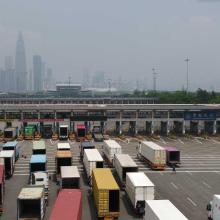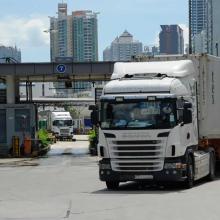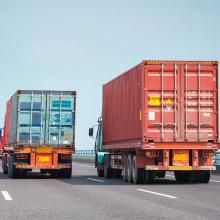
Hong Kong to Mainland China Logistics Operation Process
1. Choose an Appropriate Logistics Method
- International Express to Hong Kong Local Delivery: Suitable for small batches of high-value goods. Parcels are sent to Hong Kong via international couriers such as DHL, FedEx, or UPS, and then transferred to Mainland China by a local logistics provider.
- Sea/Air Freight + Hong Kong Transit: Ideal for large-volume shipments. Goods arrive at a Hong Kong port or airport by sea or air, undergo customs clearance, and are then transferred to Mainland China.
- Hong Kong Warehousing and Distribution: For ongoing, multi-batch transfer needs, bonded warehouses in Hong Kong can be used for temporary storage, sorting, and repackaging before arranging subsequent domestic transport.
2. Prepare Required Documentation
- Contract: A trade contract or order confirmation to prove the authenticity and legality of the transaction.
- Commercial Invoice: Clearly lists the product name, quantity, unit price, total price, etc.
- Packing List: Details the specific contents of each box.
- Customs Declaration Form: Records-appropriate customs documents based on the nature of the goods, potentially including general trade declarations.
- License or Permit Documents: Certain goods (e.g., food, cosmetics, pharmaceuticals) require corresponding import or export permits.
- Inspection and Quarantine Certificate: Certain goods, particularly agricultural products, food, animal and plant products, require a certificate from the inspection and quarantine authority.
- Other Additional Documents: Depending on the regulations of different countries, cargo characteristics, or specific requirements, other documents may be needed, such as processing trade manuals, bonded zone entry/exit documents, or duty exemption certificates.
3. Arrange Cargo Transport and Customs Clearance
- Customs Clearance: Complete export customs clearance at Hong Kong Customs, followed by import customs clearance at the Mainland China entry port. This step involves calculating and paying duties and VAT.
- Choose a Customs Declaration Mode: General trade declaration or other modes can be selected based on the actual situation.
- Logistics Coordination: Ensure seamless connection between the Hong Kong logistics service provider and the Mainland China logistics company for smooth cargo transfer between the two locations.
4. Pay Relevant Fees
- Logistics Fees: Calculated based on the chosen logistics method and the weight/volume of the cargo.
- Customs Duties and Taxes: Paid according to Mainland China customs regulations based on the cargo's value and category.
- Value-Added Services Fees (if applicable): Such as warehousing fees, customs broker fees, and insurance fees.
5. Transportation and Delivery
- Domestic Transport: After customs clearance, goods are delivered to the final destination via land, air, or rail.
Notes:
- Compliance: Ensure all goods comply with Mainland import regulations and avoid prohibited or restricted items.
- Timeliness: Consider the logistics lead time and plan accordingly to meet customer delivery deadlines.
- Cost Control: Comprehensively evaluate logistics costs and efficiency to choose a cost-effective solution.
- Tracking and Insurance: Track cargo movement through the logistics provider and consider insuring valuable items.
Although the logistics process for transferring goods from Hong Kong to Mainland China involves multiple steps, safe and efficient cross-border logistics can be achieved through careful planning and professional services from a logistics company.
Blessing Logistics specializes in providing a full range of one-stop logistics services, including domestic container shipping by sea, international sea freight (FCL/LCL), Hong Kong and Macau logistics routes, as well as trucking, customs brokerage, and warehousing. Contact us at 130-7567-8958 (Manager Huang). Call now to get a tailored quote!
Related Logistics Services
Bofeng Logistics offers the following related services, feel free to inquire: