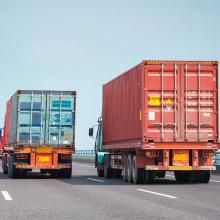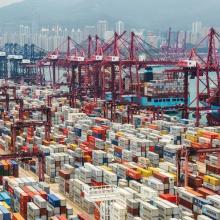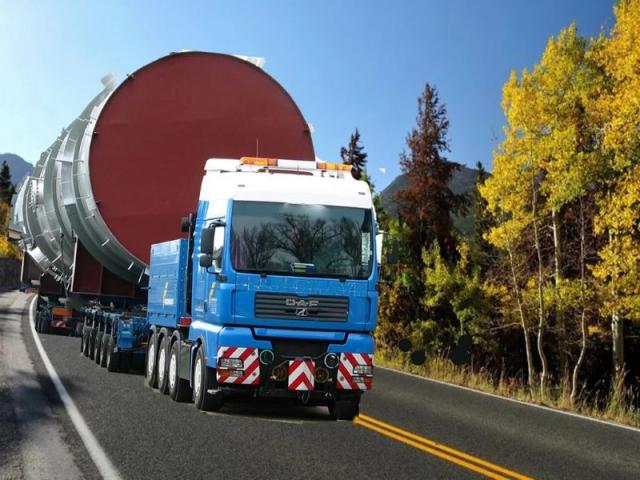
When handling the transportation of large cargo to Hong Kong, it is crucial to choose the appropriate vehicle type and strictly follow relevant preparations and precautions. Given the特殊性 of the Hong Kong transport market, including road restrictions, customs clearance requirements, and logistics costs, Bofeng Logistics provides customers with a comprehensive reference to ensure efficient and safe large cargo transport.
Vehicle Types
- China-Hong Kong Vehicles (Cross-border Transport Vehicles): These vehicles are specifically designed for travel between Mainland China and Hong Kong, holding legal operating permits for both regions. They are suitable for large cargo of various sizes. Depending on cargo volume and weight, different models such as flatbed trucks, low-bed trailers, trailers, or specialized transport vehicles can be selected.
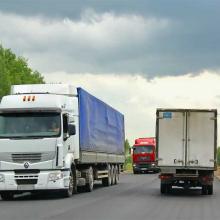
- Flatbed Trucks: Suitable for oversized large cargo in length, width, and height, such as machinery and large furniture. Their open structure facilitates loading and unloading.
- Low-bed Trailers: Compared to standard flatbed trucks, these have a lower chassis, making them more suitable for height-oversized large cargo, reducing wind resistance during transport and improving stability.
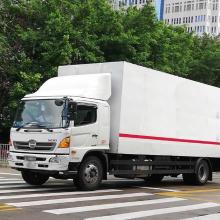
- Box Trucks: For sensitive or valuable large items requiring protection, box trucks provide a closed, secure transport environment, preventing the influence of external factors.
- Specialized Transport Vehicles: For overweight, oversized, or unusually shaped cargo, such as heavy machinery or wind turbine blades, customized vehicles like multi-axle flatbed trailers or self-propelled hydraulic platform trailers are needed.
Key Considerations
- Early Planning and Booking: Due to tight transport resources in Hong Kong, it is recommended to book the required vehicle at least 3 days in advance to ensure smooth logistics implementation.
- Transport Plan and Contingency Measures: Develop a detailed transport plan, including route planning, loading methods, and scheduling, and prepare contingency plans for emergencies such as road closures or vehicle breakdowns.
- Cargo Packaging and Securing: Large cargo must be properly packaged and firmly secured with professional lashing materials to prevent movement or damage during transit.
- Customs Documentation Preparation: Ensure all necessary customs documents are complete and accurate, including but not limited to bills of lading, invoices, packing lists, and permits, for swift customs clearance.
- Road and Bridge Assessment: Inspect in advance and confirm the load-bearing capacity of roads along the route, as well as bridge height and weight limits. Apply for special transit permits if necessary.
- Driver and Vehicle Qualification Review: Verify that the transporting driver has cross-border transport qualifications and that the vehicle complies with regulations in both regions, including insurance and inspection reports.
- Real-time Monitoring and Communication: Use GPS tracking systems to monitor the entire transport process, maintain instant communication with the driver, and adjust transport plans promptly in response to road condition changes.
Shipping large cargo to Hong Kong is a complex and specialized task. Correct vehicle selection and rigorous preparations are key to ensuring successful transport. For specific operational details and the latest policies, feel free to consult our company, Bofeng Logistics, for the most accurate information and personalized services. Tel: 130-7567-8958.
Related Logistics Services
Bofeng Logistics offers the following related services, feel free to inquire: