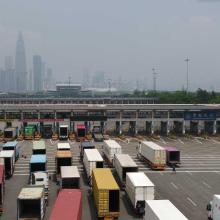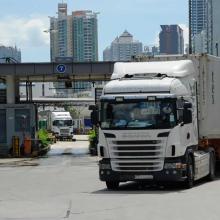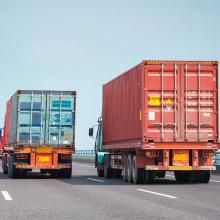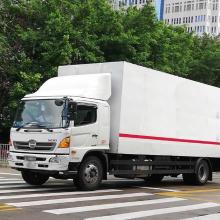
Logistics to Hong Kong, freight to Hong Kong, simply put, refers to the process of safely, punctually, and efficiently delivering goods from Mainland China to Hong Kong via various modes of transportation. This process involves multiple steps. The following is the operational process for logistics to Hong Kong:
1. Choose the appropriate logistics method
- Air Freight: Suitable for small-sized, high-value, urgently needed goods. Relatively high cost but strong timeliness.
- Sea Freight: Suitable for bulk cargo or non-urgent shipments, lower cost but longer transit time.
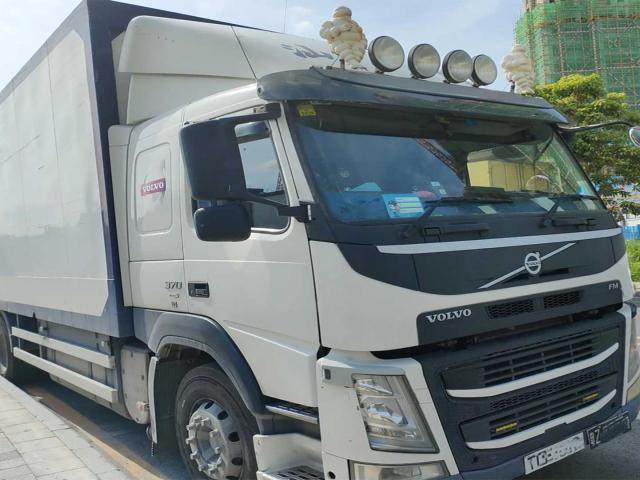
- Land Transport/Courier: Via cross-border China-Hong Kong vehicles or courier companies, suitable for short-distance transportation requiring quick response. Land transport, especially direct shipping via vehicles with both China and Hong Kong license plates, can achieve door-to-door service with high efficiency.
2. Contact and select a logistics company
- Choose a reputable and experienced China-Hong Kong logistics company. You can search for options through peer recommendations or online searches. Recommended: Bofeng Logistics, a company specializing in transportation from Mainland China to Hong Kong. Contact number: 130-7567-8958.
- Communicate with the logistics company to clarify freight costs, insurance, compensation terms, and any potential additional fees.
- Confirm whether the logistics company provides one-stop services, including customs clearance, pick-up, warehousing, and delivery.
3. Prepare the goods
- Pack the goods properly according to their nature to ensure they are not damaged during transport.
- Label the goods with information such as weight, dimensions, origin, and destination.
- Take photos to record the condition of the goods as evidence for any subsequent disputes.
- Prepare necessary documents such as packing lists and commercial invoices.
4. Handle export and import procedures
- Provide clear pictures of goods, packing lists, commercial invoices, and other documents required for customs declaration.
- Complete export customs clearance at the place of origin and obtain necessary export permits and certificates (e.g., Certificate of Origin).
- Verify Hong Kong’s import regulations, and handle import clearance procedures if needed, such as paying customs duties or value-added tax.
5. Loading and transportation
- Full-container-load goods can be arranged for direct pick-up via vehicles with both China and Hong Kong license plates, followed by customs declaration and direct transport to the designated location in Hong Kong after clearance.
- Less-than-container-load goods need to be sent to the logistics company’s consolidation point first. The logistics company will arrange cross-border transportation, and then sort and deliver them locally in Hong Kong upon arrival.
- Ensure the safety of goods during transit and track the shipment status promptly.
6. Local delivery in Hong Kong
- Upon arrival in Hong Kong, arrange local delivery services according to the client’s requirements, ensuring the goods are delivered to the consignee punctually and intact.
- For any special handling needs, communicate with the logistics company in advance to make appropriate arrangements.
Important Notes
- Be mindful of the impact of holidays and special events on logistics timeliness.
- Confirm whether the goods are prohibited or restricted items to avoid shipping illegal or regulated goods.
- Stay informed about and comply with the latest trade policies and regulations of both Mainland China and Hong Kong to avoid affecting customs clearance.
Related Logistics Services
Bofeng Logistics offers the following related services, feel free to inquire:
Knowledge Category