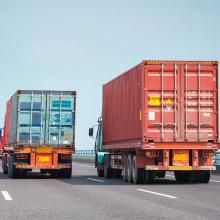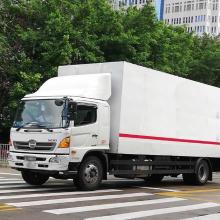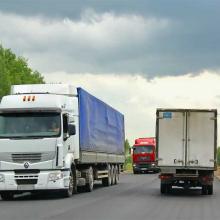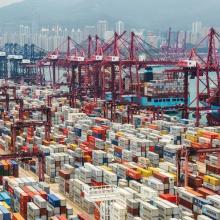
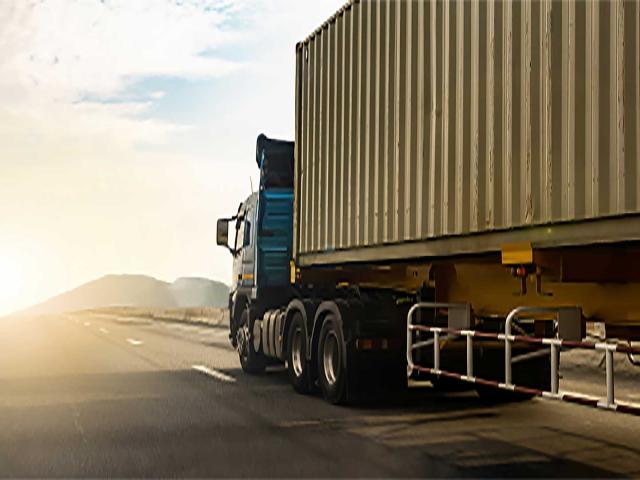
Sino-Hong Kong truck freight, freight export to Hong Kong, Hong Kong truck freight, refers to the transportation of goods between Mainland China and Hong Kong. The following provides a detailed introduction to the process, key steps, and important considerations for exporting to Hong Kong, helping businesses and individuals carry out cross-border logistics operations more efficiently.
I. Basic Process of Sino-Hong Kong Truck Freight
- Preparation Stage
- Goods Preparation: Ensure the goods comply with the legal and regulatory requirements of both the exporting and importing regions, including but not limited to quality inspection and packaging standards.
- Document Preparation: Prepare complete freight documents, such as invoices, packing lists, customs declarations, permits (if required), certificates of origin, etc.
- Customs Declaration
- Mainland Customs Declaration: Before dispatch in Mainland China, an export customs declaration must be submitted to the customs authorities electronically or on paper, completing tax payments and inspection procedures.
- Hong Kong Customs Declaration: After the goods arrive in Hong Kong, an import declaration must be made according to Hong Kong customs regulations, providing the appropriate documents for release.
- Transport Arrangement
- Select Transport Mode: Cross-border transportation between Mainland China and Hong Kong mainly includes land (truck), sea, and air transport, with land being the most common.
- Vehicle Scheduling: Use local trucks or cross-border trucks for transport. Local trucks handle the mainland segment, while cross-border trucks are used for the connection from the mainland to Hong Kong.
- Cross-Border Transport
- Border Inspection: When goods cross the border, they may be inspected by the customs authorities of both sides, including but not limited to X-ray scanning and physical container inspections.
- Transit Warehouse: Some goods may need to be sent to a transit warehouse first for sorting, repacking, or temporary storage.
- Destination Delivery
- Final Delivery: After the goods arrive in Hong Kong, the final delivery to the designated location is handled by a local logistics company.
- Customs Clearance and Delivery: After customs clearance is completed, the goods are delivered to the consignee, and the relevant handover procedures are processed.
II. Key Elements for Exporting to Hong Kong
- Customs Documentation: Invoices and packing lists are among the essential customs documents. Ensure all documents are accurate to facilitate quick clearance.
- Customs Declaration Method: Choose an appropriate customs declaration method based on the nature of the goods and customer requirements. For example, express customs clearance is suitable when complete documentation cannot be provided, while general trade customs declaration is for regular trade.
- Compliance: Adhere to the tariff policies, controlled goods lists, and prohibited/restricted item regulations of both Mainland China and Hong Kong to avoid legal risks.
III. Important Considerations
- Real-Time Tracking: Maintain communication with the logistics company to track the status of the goods in real time and promptly address any issues that may arise during logistics.
- Insurance Measures: Consider insuring high-value or fragile goods to reduce potential losses during transportation.
- Communication and Coordination: Maintain good communication with the logistics company, customs broker, and the customer to ensure smooth information flow and resolve unforeseen problems.
Bofeng Logistics, professionally providing China-Hong Kong truck freight and China-Hong Kong logistics dedicated line door-to-door transportation services. Contact number: 130-7567-8958
Related Logistics Services
Bofeng Logistics offers the following related services, feel free to inquire:
Knowledge Category