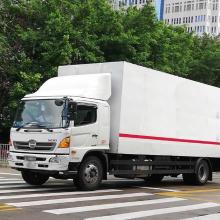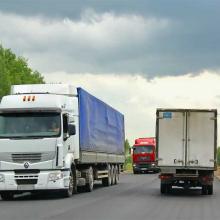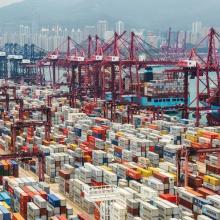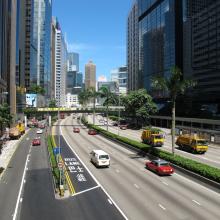
Export logistics between China Mainland and Hong Kong, in short, refers to a series of logistics activities involved in exporting goods from Mainland China to the Hong Kong Special Administrative Region of China, including transportation, customs declaration, customs clearance, warehousing, and distribution of the goods.
Bofeng Logistics: Specializes in handling cargo transportation needs departing from Mainland China and eventually arriving in Hong Kong by various modes of transport, including land, sea, or air.
Contact Number: 130-7567-8958
Main Process for Exporting Goods to Hong Kong
I. Preparation Before Export
- Determine Cargo Information: Clearly define the product name, quantity, weight, volume, and HS code of the goods, ensuring all information is accurate.
- Select Logistics Mode: Choose the appropriate logistics method based on the characteristics and needs of the goods, such as less-than-container-load (LCL) consolidation, full container load (FCL) transport, air freight, or courier service. For small batches, LCL consolidation to Hong Kong is a cost-effective choice.
- Prepare Relevant Documents: Prepare basic export documents such as commercial invoices, packing lists, contracts, and certificates of origin, and obtain specific product permits or inspection reports as needed.
II. Export Process Steps
- Submit Shipping Application: Submit a cargo transportation booking form to the logistics service provider, detailing the cargo information and shipping requirements.
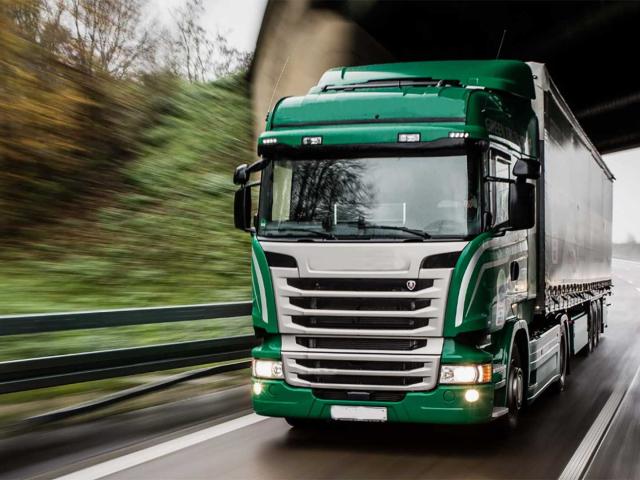
- Domestic Collection / Loading: The logistics company receives the goods at its warehouse in Mainland China, then loads them onto a truck bound for Hong Kong, or arranges direct pickup for transport to Hong Kong.
- Customs Declaration: Bofeng Logistics can arrange to declare the export to Mainland China Customs and complete the necessary export clearance procedures.
- Transport Arrangement: Arrange for vehicles to transport the goods to the Hong Kong port of entry based on the selected logistics mode.
- Border Crossing Clearance: Carry out clearance at the China-Hong Kong border crossing, submit relevant documents, and pay any applicable duties or fees.
- Warehousing in Hong Kong: Upon arrival in Hong Kong, the goods enter a designated warehouse for sorting, storage, or immediate arrangement for the next step of delivery.
- Local Delivery in Hong Kong: Arrange for the delivery or transshipment of the goods to the final destination within Hong Kong based on customer requirements.
Precautions
- Compliance: Ensure all exported goods comply with the import regulations and standards of Hong Kong and the destination country.
- Document Completeness: All documents must be up-to-date and accurate to avoid any delays in customs clearance.
- Insurance: Consider insuring high-value or fragile goods to protect against potential losses during transportation.
- Choosing a Logistics Provider: Select a reputable and experienced logistics service provider, especially one that offers one-stop services from pickup to final delivery, providing a worry-free experience, such as Bofeng Logistics.
Related Logistics Services
Bofeng Logistics offers the following related services, feel free to inquire:
Knowledge Category