What issues should be noted when inspecting containers for domestic sea freight?
Before loading domestic sea freight containers, the loader must inspect the container, which is one of the basic conditions for safe cargo transportation. When picking up an empty container, it is essential to confirm whether the container's technical condition is good. It is relatively easy to detect any defects inside a domestic sea freight container during pre-loading inspection, but it becomes difficult to check after loading and sealing the container door, as only the exterior can then be seen. During transportation, the handover of containers among the shipper, carrier, and consignee is generally conducted through a written document called the "Equipment Interchange Receipt." As long as the seal remains intact and the container's exterior shows no abnormalities, the handover can proceed. If cargo damage occurs inside the container under such circumstances, the loader is held responsible. Therefore, the loader must conduct a thorough and meticulous inspection of the container before loading. If any damage or non-compliance with technical requirements is found during inspection, the loader should negotiate with the container provider to exchange the container or perform emergency repairs on the damaged areas. Loading must only proceed after the container fully meets technical requirements.Key points to note when inspecting containers:
1. Exterior inspection
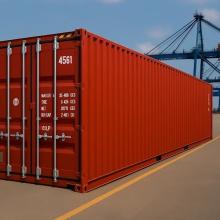
The structural strength of a domestic sea freight container primarily depends on the integrity of its main frame components, such as corner posts, corner fittings, main longitudinal beams, and end frames (composed of top, bottom, and end rails). The container walls and roof should be in good condition without obvious distortion. Containers used for international transport must bear a CSC (Container Safety Convention) safety approval plate. Irrelevant labels, markings, or symbols should be removed or covered to avoid confusion. When inspecting the exterior for damage, if bending, dents, creases, scratches, or other marks are found, pay close attention to the vicinity of these damages, try to locate breaches, and carefully examine the inside of the damaged area. Loose or broken rivets at panel joints can easily cause water leakage. The roof area should be checked for pinholes or other damage, as accumulated water on the roof can cause cargo wet damage from even minor breaches, and this area is often overlooked during inspection, so special attention is required. For previously repaired areas, pay careful attention to their current condition and check for any water leakage.2. Interior inspection
The container should be weather-tight. Enter the container, close the door completely, and check for any points of light leakage. This easily reveals pinholes in the roof and walls and whether the door seals tightly. This is a simple inspection method, but ensure no one is locked inside afterward. Cleats or rings used for cargo lashing should be sufficiently strong and well fastened. During inspection, look for water stains on the inner linings. If water stains are found, carefully examine their surroundings to determine the cause. Protruding nails or rivet heads on the walls or floor, or distorted pressing strips on the inner lining, should be removed or repaired if possible. If not, protective padding should be used to prevent damage to the cargo. If the floor joints are poorly caulked, mud or water splashed up from the road during rainwater transport can seep through floor gaps and contaminate the cargo. This should also be noted during inspection.3. Door inspection
Check whether the door opens and closes smoothly, seals properly when closed, and whether the door gasket is tight enough to ensure water tightness. Also check if the door handles operate smoothly and if the door can be locked securely. The container door should be capable of secure closing and sealing, safe lashing in the open position, and the door gasket should be in good condition.4. Accessory inspection
Collapsible containers must be correctly assembled, with unused parts stowed inside and secured. For platform containers, safety assembly and folding instructions are usually attached; pay special attention to these. Check if lashing rings, eyes, and other fittings for securing cargo are in good condition. Ensure that uprights for flat rack containers are complete and their sockets are not deformed. For open-top containers, check for missing or bent top spreader beams. Also, open the tarpaulins used on flat rack and open-top containers to check for damage and ensure the rigging is complete. Additionally, check if the ventilation openings of ventilated containers open and close smoothly, and if the drip trays and drains are clear. For reefer containers, check if the ventilation pipes, openings, and channels are unobstructed, and if the vent closing devices function properly.5. Cleanliness inspection
The container should be clean, dry, and free from residue and odors from previous cargoes. Check for rubbish, foul odors, rust, staining, or dampness inside the container. If any of these aspects are unsatisfactory, request a container swap from the provider or perform cleaning and deodorization. If such measures are not feasible, lay padding or plastic sheeting inside to protect the cargo from damage. Particularly note that after washing a container with water, it may appear dry on the surface, but the floor and inner linings may retain significant moisture, which is a major cause of cargo wet damage. Furthermore, if residues such as straw, grass debris, or insects (subject to animal and plant quarantine) are found inside, they must be thoroughly removed, even if the cargo to be loaded is entirely unrelated to quarantine.For domestic sea freight container full-container door-to-door services, contact Bofeng Logistics in Zhuhai: 130-7567-8958 (WeChat same number), Manager Huang.
Bofeng Logistics specializes in one-stop logistics services including domestic container sea freight, international sea freight (FCL/LCL), Hong Kong & Macau logistics dedicated routes, and trucking, customs clearance, and warehousing. Contact: 130-7567-8958 (Manager Huang). Call now for a customized quote!
Related Logistics Services
Bofeng Logistics offers the following related services, feel free to inquire:
Business Category
Knowledge Category