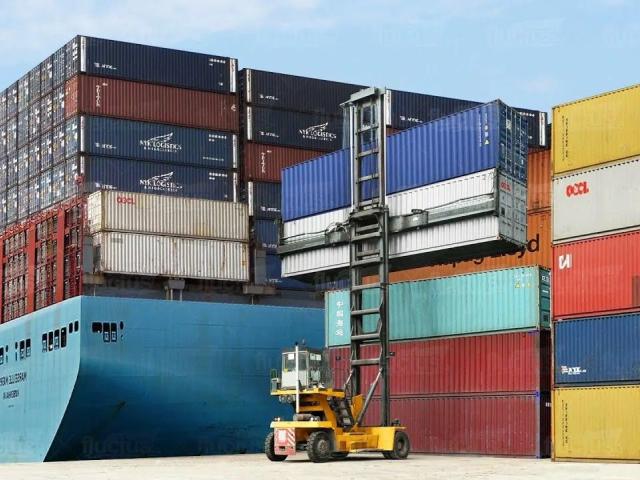
How much cargo a container can carry is not simply the number on its data plate. The actual loadable weight is constrained by three layers of weight limits, each imposing its own restriction.
1. The Three-Layer Weight Limit System
Actual Loadable Cargo Weight = Minimum of the Three Limits − Tare Weight of Container
2. National Road Weight Limit Differences
3. Carrier Weight Limit Policies
4. Weight Limit Checklist
□ Confirm total cargo weight (including pallets + packaging)
□ Confirm container tare weight (check TARE on CSC plate)
□ Gross Weight = Cargo Weight + Tare Weight
□ Verify against road weight limits (especially for USA and EU routes)
□ Verify against carrier weight limits
□ If overweight: reduce cargo / switch to larger container / split shipment
Data Note: Weight limit data is sourced from ISO 668:2020 standards, national road transport regulations, and carrier operational guidelines. Data current as of July 2026.
Need a weight limit assessment or an overweight cargo transport solution? Contact us: info@zhbfwl.com
Related Logistics Services
Bofeng Logistics offers the following related services, feel free to inquire:
Knowledge Category