When booking a container, free container use and free storage are often mentioned, and many cargo owners confuse the two. In fact, the surcharges commonly faced by consignees mainly fall into three categories: Demurrage, Detention, and terminal storage (Storage). This article clarifies their starting time points, charging parties, and common free time periods. For an overall explanation of container usage charges and detention/demurrage fees, see Container Usage Charges and Detention/Demurrage Fees: Free Time and Demurrage Explained; for the composition of ocean freight, see How Is Container Sea Freight Composed?.
1. Demurrage
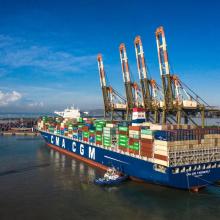
Demurrage refers to the overtime usage fee incurred while the container is still under the control of the carrier or its agent. Simply put, it is the charge that arises when the consignee has not yet picked up the goods and the container remains at the destination port terminal or yard. The free time generally begins when the container is discharged from the vessel (arrival at the destination port) and lasts until the container is taken out of the terminal.
2. Detention (Overdue Container Usage Fee)
Detention refers to the fee incurred for using a container beyond the free time after it has been placed in the consignee's custody. Specifically, after the consignee clears customs and picks up the laden container from the terminal, the fee arises if the empty container is not returned to the terminal or depot within the free time period. The free time period begins when the consignee picks up the laden container and ends when the empty container is returned to the terminal.
3. Free Storage (Free Storage Period)
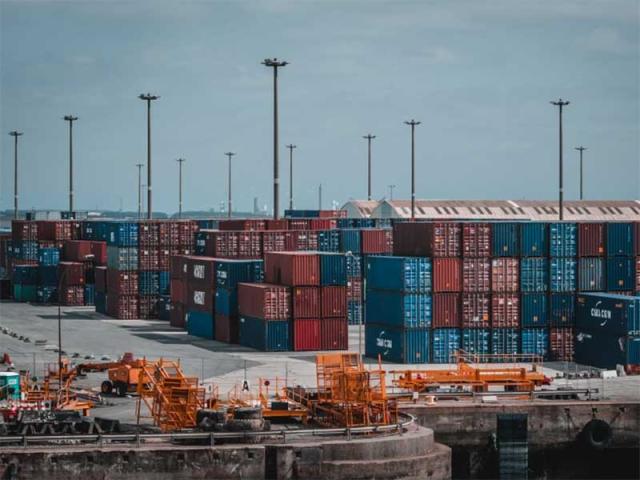
Besides the shipping company's D&D, there is also the storage fee charged by the terminal. Free Storage (free storage period) refers to the number of days that a container is stored at the terminal without incurring storage fees. It is generally calculated from when the container is unloaded at the terminal until it is picked up. Storage is charged by the terminal, and the free period depends on the terminal, not the shipping company. It is usually shorter than the shipping company's free period and harder to apply for an extension.
4. How many days is Free Time generally?
Free Time (free period) mentioned at the time of booking refers to the free container usage period granted by the shipping company. The approved free period is generally calculated separately in two stages: Demurrage and Detention. Common situations: the D&D free period at the destination port is about 7 days; due to transshipment or other reasons, some ports may apply for 10–14 days, and longer can reach 21 days; Free Storage is usually around 5–7 days. Different shipping companies, ports, and routes vary greatly, and the specific terms are subject to the booking confirmation.
5. How to Determine Whether the Free Period Is Sufficient
To determine whether the free period is sufficient, focus on the time spent in two stages: whether the Demurrage free period is sufficient depends on how quickly import customs clearance and cargo pickup are completed — the slower the customs clearance, the longer containers remain stacked at the terminal; whether the Detention free period is sufficient depends on how quickly delivery and empty container return are completed — the longer unpacking, delivery, and empty container return are delayed, the more likely container detention charges will be incurred.
When the container volume is large, or the destination port is far from the consignee's location, it is recommended to apply to the shipping company for a longer combined free period at the time of booking (regular customers are usually more likely to have such requests approved); and to do your best to schedule customs clearance and container pickup well in advance, so as not to incur unexpected D&D charges.
Data Notes: The above is general industry practice; actual policies vary greatly among different shipping companies, ports, routes, and peak/off-peak seasons. Please refer to the shipping company's written confirmation at the time of booking.
📖 Further Reading: Container Usage Fee and Overdue Charge: Detailed Explanation of Free Time and Detention Fees — how overdue charges are calculated; The Complete Container Flow Process: The Full Lifecycle from Empty Container Pickup to Empty Container Return — learn about the stages of container pickup and return.
Need a longer free container and storage period? Tell us the container quantity, destination port, and expected customs clearance pace when booking, and Bofeng Logistics can help you apply for an appropriate free period from the shipping company.
Booking Consultation: 13075678958 | info@zhbfwl.com
Free Demurrage and Detention Period FAQ
Q: From when are the free time periods for Demurrage and Detention calculated respectively?
A: The Demurrage free time generally starts from when the container is discharged from the vessel (cargo arrives at the destination port) and lasts until the container is picked up from the terminal; the Detention free time starts from when the consignee picks up the loaded container and lasts until the empty container is returned to the terminal. If the cargo is not picked up or the empty container is not returned beyond the respective free time periods, corresponding charges will be incurred.
Q: What if 7 days of free time is not enough — how can we apply for a longer period?
A: You can apply directly to the shipping company for a longer combined free time period at the time of booking, stating the container volume, arrival time, and customs clearance arrangements; stable customers, off-peak seasons, or ample container availability make approval easier. It is commonly extended to 14 days, and in some cases up to 21 days. Whether the free time period is sufficient mainly depends on the actual pace of customs clearance, pickup, and empty container return, so it is recommended to leave a buffer.
Disclaimer: This article was compiled by the Bofeng Logistics team, and the contents were verified in September 2026. Free demurrage and detention days and application policies vary by shipping company, port, and route — please refer to the booking confirmation.
Related Logistics Services
Bofeng Logistics offers the following related services, feel free to inquire: