Data Sources: ISO 668:2020 standard, container type specification sheets from various shipping line official websites
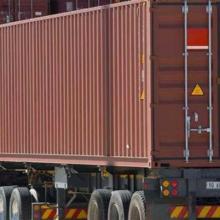
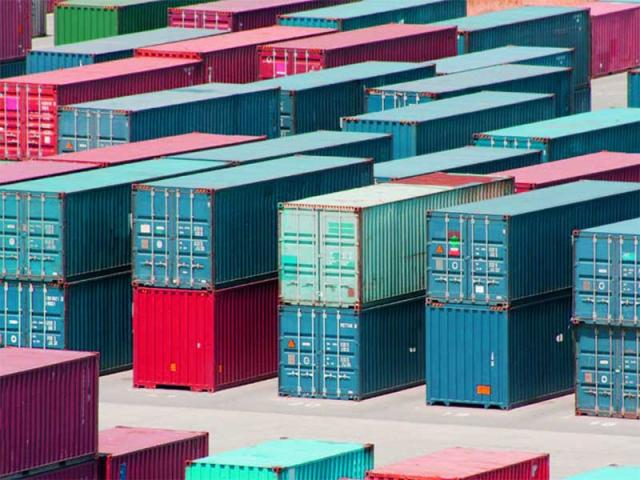
The core of container transportation lies in the "box." Different cargo requires different container types—choose the wrong type, and you either can't fit it in, can't fill it up, or waste money on freight. This article systematically organizes the types, parameters, and applicable scenarios of 8 common maritime shipping containers.
I. ISO Classification System for Containers
According to the ISO 668:2020 standard, maritime shipping containers are divided into three major categories based on purpose and structure:
| Classification | Description | Common Container Types |
| Dry Container | General-purpose sealed container, most commonly used | 20GP, 40GP, 40HQ, 45HQ |
| Special Container | Purpose-built containers designed for specific cargo | Reefer, Open Top, Flat Rack, Tank, Ventilated |
| Regional/Special Purpose Container | Dedicated to specific regions or industries | Garment Container, Car Container, Bulk Container |
Note: The above is a simplified classification for practical operations. The official ISO standards (ISO 6346/ISO 668) provide more precise categorization based on container type codes. This article focuses on the 8 most common container types in foreign trade practice.
II. Parameter Comparison Table for 8 Major Container Types
| Parameter | 20GP Dry | 40GP Dry | 40HQ High Cube | 40RH Reefer | 20OT Open Top | 20FR Flat Rack | ISO Tank | 20VT Ventilated |
| External Length (mm) | 6,058 | 12,192 | 12,192 | 12,192 | 6,058 | 6,058 | 6,058 | 6,058 |
| External Width (mm) | 2,438 | 2,438 | 2,438 | 2,438 | 2,438 | 2,438 | 2,438 | 2,438 |
| External Height (mm) | 2,591 | 2,591 | 2,896 | 2,896 | 2,591 | 2,591 | 2,591 | 2,591 |
| Internal Length (mm) | 5,898 | 12,032 | 12,032 | 11,590 | 5,898 | 6,028 | — | 5,898 |
| Internal Width (mm) | 2,352 | 2,352 | 2,352 | 2,294 | 2,330 | 2,240 | — | 2,330 |
| Internal Height (mm) | 2,393 | 2,393 | 2,698 | 2,550 | 2,391 | 2,240 | — | 2,391 |
| Door Width (mm) | 2,340 | 2,340 | 2,340 | 2,290 | — | — | — | 2,340 |
| Door Height (mm) | 2,280 | 2,280 | 2,585 | 2,545 | — | — | — | 2,280 |
| Volume (CBM) | 33.1 | 67.5 | 76.0 | 67.9 | 32.8 | — | 21,000-26,000L | 32.8 |
| Max Payload (kg) | 28,200 | 28,800 | 28,620 | 29,500 | 28,200 | 40,000 | 26,000-36,000 | 28,200 |
| Tare Weight (kg) | 2,200 | 3,700 | 3,900 | 4,200 | 2,400 | 3,200 | 3,500-5,000 | 2,350 |
| Suitable Cargo | General cargo | Light/voluminous cargo | Light/bulky large-volume cargo | Temperature-controlled cargo | Over-height cargo | Overweight/oversized cargo | Liquids/gases | Organic cargo |
Data Sources: ISO 668:2020 standard + container type specification sheets from major shipping lines (Maersk/MSC/COSCO) official websites.
Volume Note: The volumes listed in the table are theoretical maximums calculated from internal dimensions. Actual loadable volume is affected by cargo packaging shape, stacking methods, and internal container structure (corrugated sidewall protrusions), typically 10%-15% less than the theoretical value. Practical recommended reference values:Refer to the "Actual Loadable Volume" section in Dimensions and Specifications.
III. Detailed Explanation of Each Container Type
1. Dry Container — The Most Versatile Container Type
Dry containers are the backbone of the container family, accounting for over 80% of global shipping capacity. Sealed structure, suitable for most general cargo.
| Container Type | Common Uses |
| 20GP | Heavy cargo (machinery, hardware, stone, chemicals)—cargo with small volume but high weight |
| 40GP | Light/voluminous cargo (furniture, home appliances, consumer goods)—cargo with large volume but lighter weight |
| 40HQ | Cargo requiring extra height—305mm taller than 40GP, approximately 13% more volume savings |
| 45HQ | Optimal solution for light/voluminous cargo—1.5m longer than 40HQ, 15% more volume capacity |
Key Internal Structure Points of Dry Containers:
- Floor material is mostly hardwood (APG/MDG plywood), with a load-bearing capacity of approximately 3-4 tonnes per axle
- Corner castings at all four internal corners for securing and stacking
- Corrugated steel sidewalls for increased structural strength
- Locking bars on the inside of doors, locked and sealed with a customs seal after loading
2. Reefer Container — Specifically for Temperature-Controlled Cargo
Reefer containers have a built-in refrigeration unit that can maintain the internal temperature at any set point between -30°C and +30°C.
| Feature | Description |
| Refrigeration Method | Electric (connected to vessel power supply 440V/60Hz) |
| Temperature Range | Adjustable from -30°C to +30°C |
| Insulation Time | Maintains temperature for 8-12 hours after power disconnection (depending on external temperature) |
| PTI Inspection | Pre-Trip Inspection required before each loading |
| Suitable Cargo | Frozen food, seafood, fruit, pharmaceuticals, flowers |
Reefer container freight is typically 30%-60% higher than dry containers of the same size (including electricity charges and monitoring fees).
3. Open Top Container — Specifically for Over-Height Cargo
Open top containers have a waterproof tarpaulin roof instead of a steel top, allowing loading and unloading from above.
| Feature | Description |
| Main Advantage | Can load cargo higher than standard container doors (height up to 2.4m) |
| Top Covering | Waterproof tarpaulin + lashing ropes for securing |
| Loading/Unloading Method | Crane/forklift loading from the top |
| Height Limit | Cargo top must be ≤30cm from the container top frame |
Suitable Cargo: Large machinery and equipment, glass, steel structures, marble, timber, extra-long pipes.
4. Flat Rack Container — Specifically for Overweight and Oversized Cargo
Flat rack containers have no side walls or roof, only a floor and two end walls, allowing loading and unloading from any direction.
| Feature | Description |
| Max Payload | 20FR can reach 40,000kg (1.5 times that of dry containers) |
| Collapsible | End walls can be folded down, saving space when returning empty containers |
| Loading/Unloading Method | Crane from above/front/sides |
Suitable Cargo: Construction vehicles, generator sets, large castings, ship components, steel coils.
5. ISO Tank Container — Specifically for Liquid Cargo
ISO Tanks consist of a stainless steel tank mounted within a standard container frame, used for the safe transportation of liquids and gases.
| Parameter | Standard 20ft Tank Container |
| Capacity | 21,000-26,000L (depending on liquid specific gravity) |
| Max Payload | 26,000-36,000kg |
| Tank Material | Stainless steel (304/316L, depending on cargo corrosiveness) |
| Design Pressure | 4-10 bar (depending on cargo type) |
| Suitable Cargo | Chemicals, edible oils, alcohol, liquefied gases |
Usage Notes:
- Tank cleaning (CIP cleaning) is required when switching between different cargoes. Cost depends on cargo type and cleaning requirements
- Dangerous goods tank containers must comply with IMDG Code requirements
6. Ventilated Container — Specifically for Organic Cargo
Ventilated containers have ventilation openings on the side walls (typically one row at the top and one at the bottom), utilizing natural convection for air circulation within the container.
| Feature | Description |
| Ventilation Method | Natural ventilation (unpowered), through convection via wall vents |
| Ventilation Openings | 8-12 each on top and bottom, adjustable opening/closing |
| Suitable Cargo | Coffee beans, cocoa, onions, garlic, grains, tobacco |
Difference from Dry Containers: Theoretically, dry containers can also carry organic cargo, but the lack of forced ventilation may lead to cargo mold. Using ventilated containers significantly reduces cargo damage risk and is the preferred solution for handling organic cargo.
7. Garment Container — Specifically for Apparel
Garment containers are equipped with hanging rails and lashing devices inside, allowing garments to be transported hanging, ready for shelf display directly upon arrival.
| Feature | Description |
| Internal Height | 150-200mm higher than standard containers |
| Hanging Rails | Load capacity of 600-800kg/m |
| Capacity | A 40ft garment container can hang approximately 1,500-2,000 garments |
Applicable Scenarios: Fast fashion brands, high-end garment exports—saves the cost of ironing and shelving after arrival.
8. Car Container / RORO — Specifically for Vehicle Transport
Car containers (also known as frame containers or specialized vehicle containers) are used for transporting complete vehicles.
| Feature | Description |
| Loading Method | 2 vehicles per level, 20ft fits 2 vehicles, 40ft fits 4 vehicles |
| Securing Method | Tire stoppers + lashing straps |
| Suitable Vehicles | Sedans, SUVs, small trucks |
IV. Selection Decision Process
What is your cargo?
    │
    ├── General dry cargo (cartons/wooden crates/pallets)
    │   ├── Heavy cargo (>8 tonnes/20CBM) → 20GP
    │   └── Light/voluminous cargo (<8 tonnes/20CBM) → 40GP or 40HQ
    │
    ├── Requires temperature control (frozen/refrigerated/insulated)
    │   └── → Reefer Container
    │
    ├── Over-height, over-width, or over-length
    │   ├── Over-height (>2.4m) → Open Top
    │   └── Overweight or oversized → Flat Rack
    │
    ├── Liquids/gases
    │   └── → ISO Tank Container
    │
    ├── Organic/prone to mold
    │   └── → Ventilated Container
    │
    ├── Apparel/garments
    │   └── → Garment Container
    │
    └── Complete vehicle transport
        └── → Car Container
Quick Selection Mnemonic
Heavy cargo 20GP, light cargo 40HQ, need temperature control use reefer, over-height use open top, overweight use flat rack, liquids use tank container, organic find ventilated, garments use garment container.
V. Applicable Cost Reference for Each Container Type
| Container Type | Freight Comparison (based on 20GP as benchmark) | Suitable Cargo Volume |
| 20GP | Base price (100%) | 17-25CBM heavy cargo |
| 40GP | +80%-120% | 30-55CBM light/voluminous cargo |
| 40HQ | +90%-130% | 30-65CBM light/voluminous cargo (recommended) |
| Reefer | +30%-60% (relative to 40GP) | Temperature-controlled cargo |
| Open Top | +50%-100% (surcharge) | Over-height single items |
| Flat Rack | +100%-200% (including overweight surcharge) | Overweight/oversized cargo |
| Tank | Calculated by liquid volume | Most efficient when transported full |
Cost-Saving Tip: For light cargo, choose 40HQ over 40GP—the height difference is 305mm but the freight rate difference is only 10%-15%, with 13% more usable volume.
Data Note: The above freight comparisons are industry experience reference values. Actual freight rates are influenced by shipping routes and market supply/demand. Refer to Complete Structure of Maritime Freight Costs and Maritime Freight Calculation Methods.
Data as of: July 2026
📖 Extended Reading: Foreign Trade Beginner's Version → International Maritime Operations Handbook Part 03: Container Basics (abridged practical overview)
Need a suitable container type recommendation for your cargo? Send your cargo type, weight, and volume to Bofeng Logistics, and our professional team will help you choose the most cost-effective solution.
Selection Consultation: info@zhbfwl.com
Related Logistics Services
Bofeng Logistics offers the following related services, feel free to inquire: