Client Background
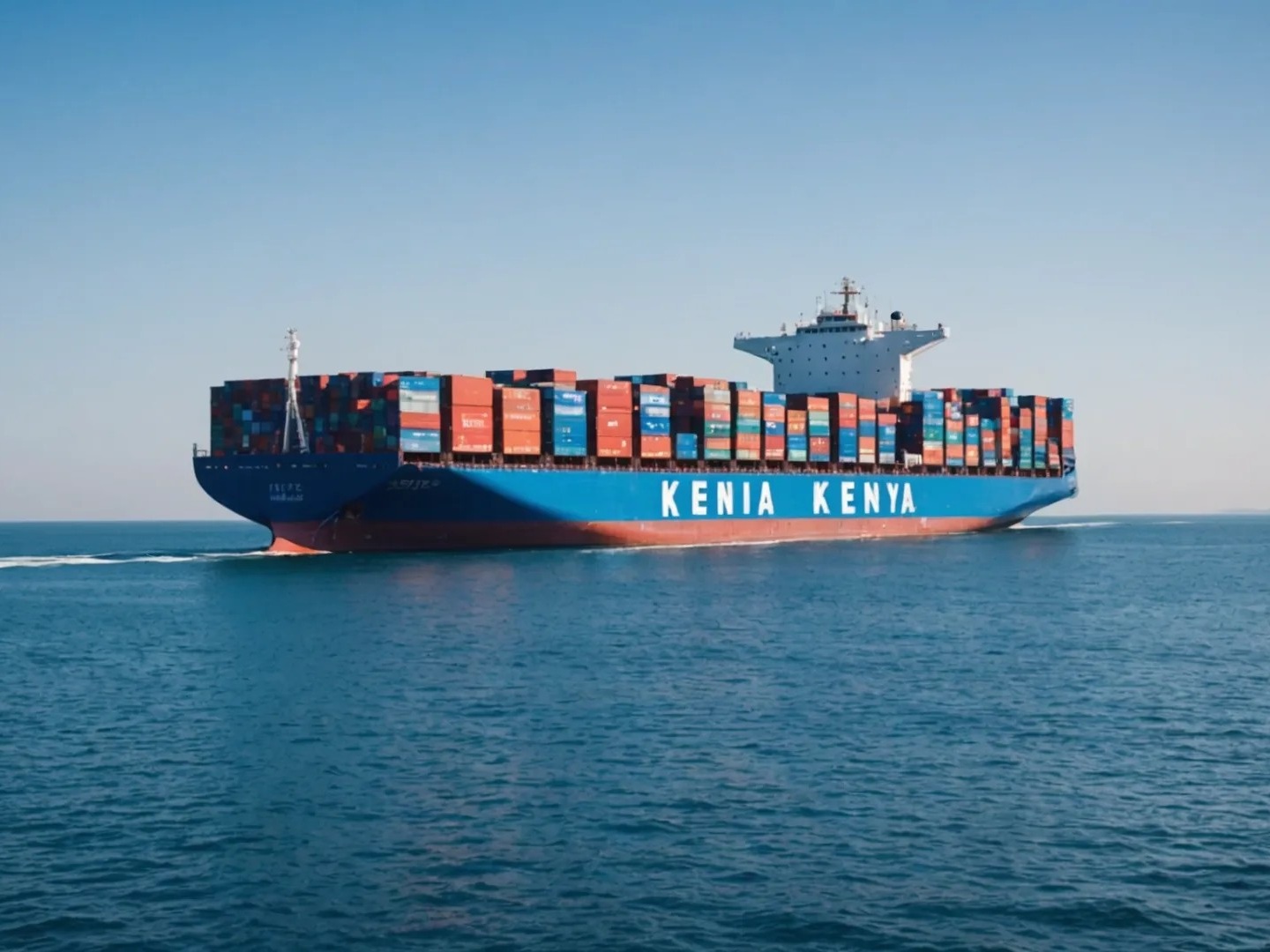
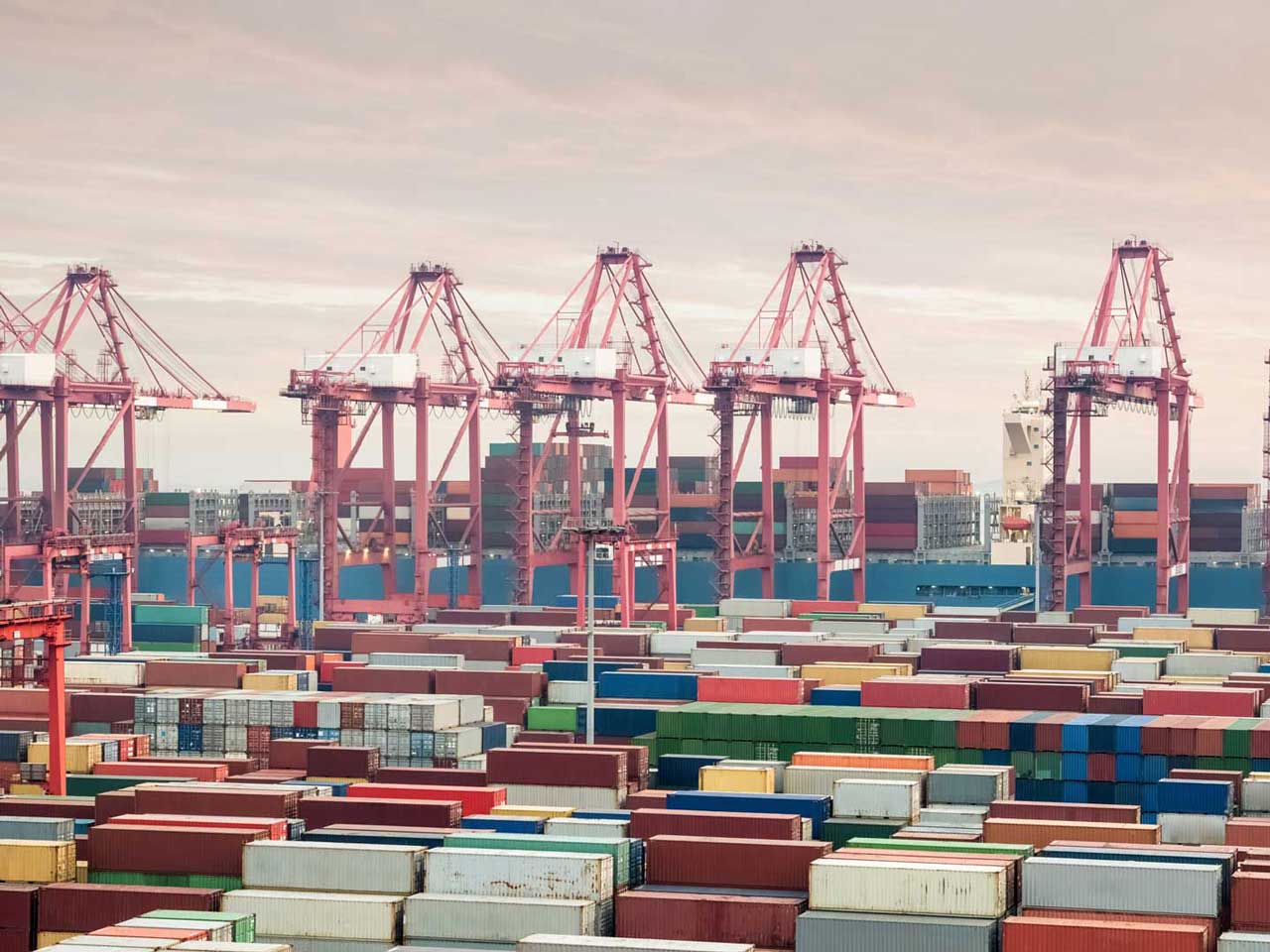
A comprehensive manufacturing and export enterprise in South China (mainly producing electronics and daily consumer goods), shipping to Europe and the United States, with shipments highly concentrated in the peak season (the holiday stocking period in the second half of the year). Tight capacity on European and American routes during peak season is the industry norm. The enterprise had previously booked space in a scattered manner without locking in capacity in advance, so it often had to "wait for space" when shipping during peak season. During the peak shipping period in Q4 2025, for a batch of 40HQ containers, the shipping company notified the customer of a rollover close to the sailing date. The cargo was already waiting at the port area, and the end customer's delivery deadline was urgent, putting the shipment in a passive position.
This is a typical peak-season capacity crisis scenario: space was cut, the time window was tight, and alternative solutions needed to be decided quickly. At the time, the customer contacted Bofeng, requesting to "get this shipment out as soon as possible and avoid delaying the end customer's delivery deadline as much as possible."
Key Challenges
The crisis centers on three key points:- Space cut and cargo stranded at port: Close to the sailing date, the carrier notifies a rollover, and the cargo is already staged at the port. If delayed to the next original sailing, it means waiting about two weeks, directly missing the end customer's delivery window;
- Replacement space is hard to find: During peak season, space on the same route is generally tight. For last-minute bookings, most carriers no longer have direct space, leaving limited options;
- A quick decision is needed: direct or transshipment: Rebooking direct on another vessel requires confirming whether space is still available; transshipment vessels have space but longer transit times, and the schedule risk needs to be assessed. The time window is tight, leaving no room for repeated inquiries and comparisons.
The key to crisis handling is not "whether there is a solution," but "finding and executing the best feasible solution in the shortest time" — this tests emergency response speed and route selection judgment.
Transport Requirements
- Route: South China (Shenzhen) → US West Coast, 40HQ full container;
- Time limit: Must confirm an available sailing schedule within the current week, and minimize delays as much as possible;
- Priority: First secure the earliest available space, then weigh timeliness against cost; ensure documentation is synchronized to avoid any further delays;
- Goal: Reduce the delay from "about two weeks" to "as little as possible", and protect the end customer's delivery date.
The customer's request is very direct: ship this batch as soon as possible, get it there as soon as possible, and provide clear reasons for alternative solutions.
Solution
Bofeng has activated its peak-season emergency space plan, following a four-step process: "allocate — select route — implement — review":
- Emergency space allocation: Immediately check all available space on the route, confirm remaining capacity and release conditions with multiple shipping lines, and lock in candidate options within 2 hours instead of trying each one by luck.
- Direct vs. transshipment route assessment: Compare candidate options in terms of transit time and risk—if a shipping line still has direct space available in the near term, lock it in first (shortest route, most stable transit time); if direct space is indeed fully booked, assess transshipment (space available, longer transit time) as a feasible alternative, and provide recommendations with reasons based on the end delivery window.
- Coordinate space release and document synchronization: After confirming space, coordinate priority loading with the shipping line, and update customs declaration documents and manifest information simultaneously to ensure no secondary delays due to documentation after space release.
- Post-review and space lock-in plan: After this crisis is over, review peak-season space risks with the client, and establish a peak-season lock-in plan—reserve space 3–4 weeks in advance for peak-season shipments, keep multiple shipping lines as backup, and front-load the shipping plan to avoid being "cut at the last minute" again. For peak-season route selection and transit time strategies, see Direct vs. Transshipment Route Selection Guide and Full Export Ocean Shipping Process.
The core of this approach is turning "panic after being cut" into "a planned response": the first step quickly locks feasible space, the second step uses route assessment to give the optimal solution and convince the client, the third step ensures smooth execution, and the fourth step turns the lessons of this case into a long-term plan.
Results
| Indicator | Before crisis response | After response / after contingency plan took effect | Improvement |
|---|---|---|---|
| Batch delay | Postponed by about two weeks | Compressed to 3 days | Emergency allocation |
| Peak season space fulfillment rate | 65% | 96% | Space guarantee plan |
| Peak season shipment on-time rate | 70% | 92% | Front-loaded planning |
| Emergency response time | Quoting from carriers one by one | Locked in within 2 hours | Contingency mechanism |
Data statement: The above is case-specific data (data as of July 2026, tabulated by peak season shipment batch), reflecting the performance of this individual case during the client relationship, and does not constitute a service commitment. This case is an anonymized adaptation based on actual carriage experience; customer information has been removed as authorized.
After emergency allocation, the delay for that batch was compressed from "about two weeks" to 3 days, and the end customer's delivery schedule was basically maintained. More importantly, this crisis led to the establishment of a peak season space guarantee plan—afterwards, peak season shipments were pre-booked with multiple shipping lines as backups, the space fulfillment rate rose to 96%, and the peak season shipment on-time rate remained 92%. Up to the data cut-off date, there were no more last-minute space cancellations. For the client, peak season went from "worrying about space every year" to "booked in advance and well prepared."
The value of this solution lies in not just focusing on "how to save this batch" after a crisis, but also consolidating case experience into a long-term mechanism: emergency allocation solves the immediate problem, while the space guarantee plan prevents future issues. For export companies that are also troubled by space shortages in peak season and have passive shipping schedules, this combination of "emergency response + space guarantee plan + route selection judgment" is worth referencing. This solution is suitable for export companies with concentrated peak season shipments and high requirements for stable space; it is recommended to deploy the peak season space guarantee and route selection strategy 3–4 weeks before the peak season begins.
The two parties' cooperation has entered its second year, and the peak season shipment data are case records of consecutive shipments before and after the contingency plan took effect.
Client Testimonial
"When that batch of cargo was rolled over, we were really anxious. Fortunately, Bofeng provided a solution within 2 hours. Since there was no space on direct routes, they decisively switched to transshipment, keeping the delay to 3 days and saving the end customer's delivery date. Afterward, Bofeng helped us set up a peak-season space reservation contingency plan, and since then, our peak-season shipments have basically never been stuck due to lack of space."
— Bofeng Logistics · International Ocean Shipping Customer Feedback (published with authorization and anonymized)
Need a similar logistics solution? Contact us — a plan within 30 minutes.
Phone:13075678958 | WhatsApp:+86 13075678958 | Email:info@zhbfwl.com
Get a Quote